
Remote Patient Monitoring (RPM)
Let IPC’s Pharmacy Services Team Help with the Heavy Lifting. From securing a Collaborative Practice Agreement (CPA) to patient onboarding and billing support, we’ll guide your pharmacy through every step of building a successful Remote Patient Monitoring program.
What is remote patient monitoring?
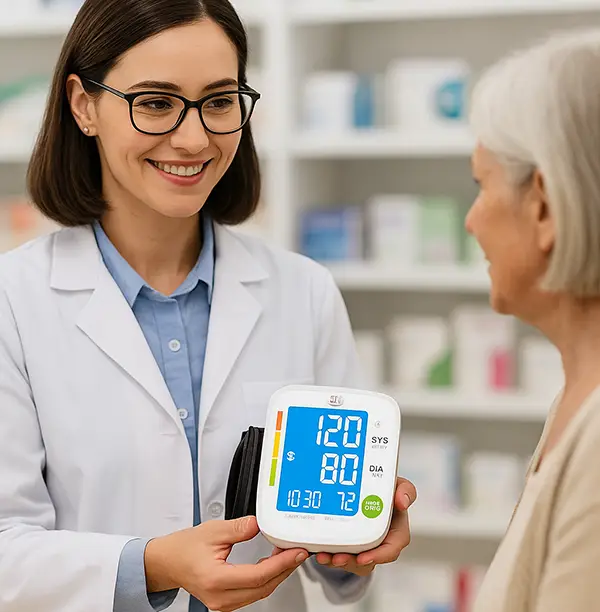
Remote Patient Monitoring (RPM) enables patients to track their health at home using connected devices. Pharmacies support patients by supplying devices, monitoring results, and collaborating with providers to improve chronic condition management and overall outcomes.
Why is a Collaborative Practice Agreement (CPA) important for RPM?
A Collaborative Practice Agreement (CPA) is the foundation for pharmacies to provide traditional Remote Patient Monitoring services. It creates a formal partnership between your pharmacy and a licensed provider, allowing you to:
- Enroll eligible patients into RPM programs
- Ensure billing compliance and reimbursement
- Share RPM data with providers for timely care adjustments
- Clearly define roles and responsibilities between the pharmacy and provider
What technology is used in RPM?
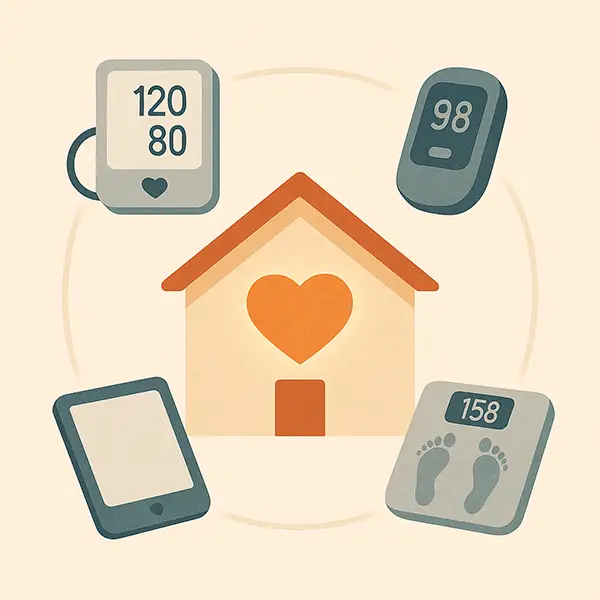
Pharmacists use clinical-grade FDA approved devices such as:
- Blood Pressure Cuffs
- Blood Glucose
- Weight Scales
- Pulse Oximeters
Devices connect effortlessly through cellular or Bluetooth technology, securely transmitting health data to a protected platform. This real-time connection supports proactive monitoring and timely interventions, while mobile apps make it easy to record readings, receive reminders, and stay on track with daily health goals.
How do these devices integrate with pharmacies?
Pharmacies are essential partners in connected care. Through seamless integration, they:
- Recommend and dispense remote monitoring devices
- Educate patients on proper use and setup
- Track and review health data through the platform
- Collaborate with providers to address clinical concerns
- Use telehealth tools to support ongoing adherence and follow-up care
Schedule a Consultation
IPC Pharmacy Services provides 1-on-1 consulting services for IPC Members offering tailored solutions to help unlock new revenue, expand services and enhance patient care.
What are the advantages of RPM?
The use of RPM allows for the early detection of health issues and adjustments to treatment plans before complications arise.
Key advantages include:
- Early detection and intervention to prevent worsening conditions
- Fewer unnecessary office visits and hospitalizations
- Stronger patient engagement and medication adherence
- New revenue opportunities for pharmacies through clinical services
What is the Pharmacist’s Role in RPM?
Pharmacists are at the center of RPM success. They interpret data collected from connected devices, collaborate with providers on treatment adjustments, and help patients understand their results.
In practice, pharmacists:
- Review and interpret device data trends
- Provide education on device use and health tracking
- Recommend or adjust therapy in coordination with providers
- Encourage patient adherence through ongoing follow-up
What are the challenges of RPM?
- Maintaining HIPAA compliance and secure data handling
Resolution: Partner with an RPM platform that uses encryption, access controls, and HIPAA-compliant data management. - Supporting patients with limited tech literacy
Resolution: Provide simple devices, clear training, and pharmacy-led troubleshooting to build patient confidence. - Integrating data into pharmacy workflows
Resolution: Use platforms that integrate directly into your pharmacy systems and create standardized staff procedures for monitoring results.
What are some regulatory considerations with RPM?
RPM must follow healthcare regulations such as HIPAA and payer billing rules. Devices should meet FDA or other authority approvals for safety and accuracy.
What disease states can be managed with RPM?
Hypertension – monitored through blood pressure cuffs to track trends and support early intervention.
Diabetes – managed using glucose monitors to prevent complications and improve adherence.
Obesity & Heart Conditions – tracked with weight scales to watch for fluid retention or unhealthy weight gain.
Respiratory Conditions – supported with pulse oximeters to monitor oxygen saturation and detect issues early.
How to Educate Patients for Better Outcomes
Pharmacies should:
- Provide clear device training
- Explain results and what they mean for health
- Reinforce medication adherence and healthy habits
How to Implement RPM in a Pharmacy
- Population & Goals — Define target patient cohorts (e.g., hypertension, diabetes, COPD) and measurable outcomes (e.g., blood pressure control rates, reduced ED visits).
- Clinical Partnership (CPA) — Establish a Collaborative Practice Agreement (CPA) with a prescribing provider to authorize monitoring, medication-related interventions, and bidirectional communication.
- Technology Selection — Select FDA-cleared devices and a secure RPM platform that supports cellular/Bluetooth transmission, audit trails, and compliant documentation.
- Workflow & Governance — Specify roles (e.g., RPM lead, technician support), enrollment criteria, escalation thresholds, documentation standards, and billing procedures aligned with payer policy.
- Patient Onboarding & Education — Obtain consent, deliver structured device training, verify data transmission, and provide literacy-appropriate instructions for self-management.
- Monitoring & Intervention — Review data at defined intervals, apply clinical thresholds for outreach, and coordinate therapy adjustments with the collaborating provider.
- Quality Improvement — Track process and outcome measures, audit adherence and timeliness, and refine protocols to improve clinical effectiveness and operational efficiency.
By following these steps, community pharmacies can implement remote patient monitoring effectively, enhance patient care, and strengthen chronic disease management.
Schedule a Consultation
Unlock growth for your pharmacy by partnering with IPC and embracing a remote patient monitoring program. Contact us today to learn more and take the next step toward a stronger, more impactful pharmacy experience.