Protecting Your Digital Identity: Simple Steps for Stronger Security
In our increasingly digital world, safeguarding your online accounts is crucial. While strong passwords are a good start, relying on them alone simply isn’t enough. Cyber threats are evolving, and attackers are constantly searching for ways to breach security. Fortunately, integrating Multi-Factor Authentication (MFA) with solid password management can make a real difference in defending your personal and organizational data.
Why You Need More Than a Strong Password
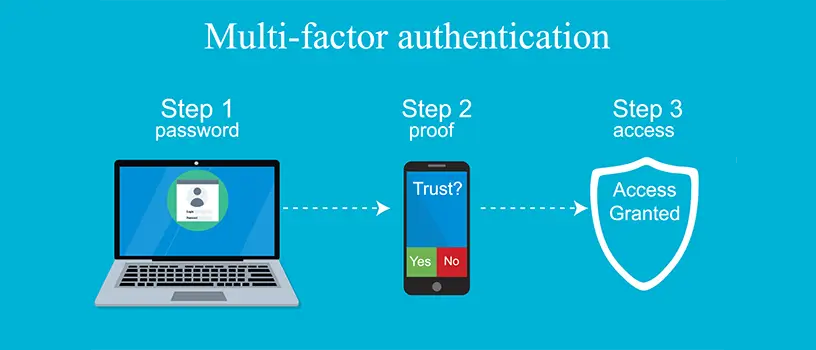
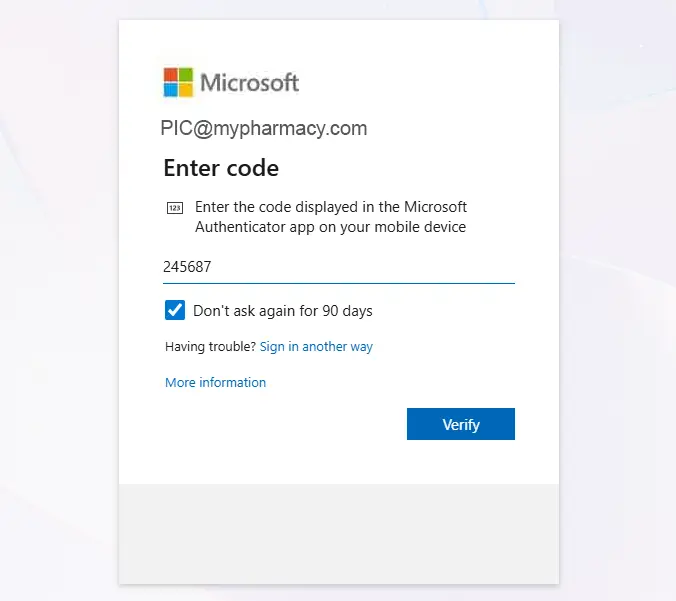
Even the most complex password can be compromised, whether through phishing, brute force, or social engineering. That’s where MFA comes in. By requiring a second form of verification, such as a one-time code sent to your phone or an authentication app, MFA creates an extra barrier, making unauthorized access much harder. If a password falls into the wrong hands, MFA can still prevent attackers from accessing your account.
Best Practices for MFA and Password Security
- Enable MFA on all accounts that support it, prioritizing email, banking, and work systems.
- Use a password manager to create and store complex, unique passwords for every account.
- Avoid personal information like birthdays and names when setting your passwords.
- Change passwords regularly and never reuse the same password across multiple sites.
- Stay informed about cyber threats, such as phishing and social engineering, and educate others.
- Monitor your accounts for suspicious activity and respond promptly to security alerts.
Building a Culture of Security
Adopting MFA and practicing strong password management are essential steps in protecting against cyber threats. These habits not only defend your data, but also help create a culture of security awareness that benefits everyone. By making these practices a priority, individuals and businesses can dramatically reduce their risk and ensure the integrity of their digital identities.
Staying safe online isn’t just about technology; it’s about making smart choices every day. Start with MFA and strong passwords, and you’ll be well on your way to a more secure digital life.