
Patients today want to feel better, age better, and stay healthier longer, and many are willing to pay cash for solutions that help them do it. That should get every independent pharmacy owner’s attention.
Healthcare is shifting. People are no longer waiting until they feel sick to seek help. They are actively looking for ways to improve energy, recovery, vitality, sleep, body composition, longevity, and overall healthy aging.
And the demand is growing quickly.
For additional information or to schedule a 1:1 Consultation reach out to the IPC Pharmacy Services Team.
A pharmacy with 30 recurring healthy aging patients spending an average of $225 per month creates roughly $80,000 annually in cash revenue. As provider relationships expand and wellness offerings grow, the opportunity scales quickly.
Therapies like NAD+, sermorelin, glutathione, peptides, hormone support, and wellness injectables are moving from niche interest to mainstream demand. Patients are hearing about them everywhere—through podcasts, social media, wellness clinics, physicians, and influencers.
The question is no longer:
“Will patients ask about these therapies?”
The question is:
“Will they get them from your pharmacy…or somewhere else?”
Healthy Aging Is Becoming a Real Pharmacy Business Model
Independent pharmacies have always stood out because of relationships, accessibility, trust, and personalized care. Healthy aging services are a natural fit for those strengths.
Consumers are investing more in wellness, prevention, recovery, and longevity. They want healthcare professionals who can educate them, guide them, and make the process easier to navigate.
That is why therapies like NAD+ and sermorelin are gaining traction so quickly. Patients are seeking NAD+ for energy, recovery, and healthy aging, while sermorelin is drawing attention for sleep, vitality, body composition, and recovery support.
The bigger opportunity is not just dispensing these therapies. It is building wellness programs that strengthen patient relationships while creating new cash-based revenue inside the pharmacy.
The pharmacies doing well in this space are not just filling prescriptions or stocking products. They are creating complete care experiences with education, consultations, provider collaboration, supplement support, and ongoing follow-up that keeps patients engaged.
And that model fits naturally in independent pharmacy. Patients want guidance, convenience, and someone they trust. You already have those relationships. The opportunity now is to build services around them.
Where to Get Started: Assess Local Demand First
Before you launch, look at what is already happening in your market. Ask whether your community has:
- Med Spas
- Wellness Clinics
- Functional Medicine
If those providers are already active in your area, demand is already there. You do not need to create it, you need to capture your share.
Many of these providers need a reliable pharmacy partner who can help patients access therapy without delays. Your pharmacy already brings real value through trust, education, and a smoother patient experience.
Start where demand already exists, then position your pharmacy as the partner that makes follow-through easier for both patients and providers.
Ask yourself:
Where could wellness services fit naturally in your pharmacy?
Could you set aside a few appointment blocks each week?
Could a pharmacist or nurse support consultations or injections?
Could you start with NAD+ and sermorelin, then expand over time?
You do not need to launch everything at once. You just need to start. The pharmacies gaining traction in wellness are not always the biggest or most advanced—they are the ones willing to take the first step.
How to Bring Healthy Aging Into Your Pharmacy Model
In most cases, the strongest programs begin with one trusted provider relationship and one or two therapies patients are already asking about. If you can make access easier, education clearer, and follow-up more consistent, you’re already creating real value.
Your pharmacy becomes especially valuable when you help simplify what can feel complicated for both providers and patients. That might mean supporting sourcing, answering questions, coordinating therapy, or making the process more convenient from start to finish.
When you talk with providers, lead with how you can help, not with a sales pitch. Show them how your pharmacy can support the patient experience through education, coordination, injection support, refill management, and follow-up. That’s what builds trust and makes your pharmacy feel like a true extension of care.
Keep it simple in the beginning. You might start with a few wellness appointment slots each week or add healthy aging consultations into services you already offer. Many pharmacies begin with therapies like NAD+ and sermorelin, then grow from there as patient interest and provider partnerships build.
The goal isn’t to launch perfectly. It’s to take the first step.
Your Team Will Make or Break This Program
Healthy aging services don’t scale without team engagement. Start by designating a program lead; someone responsible for learning the therapies, owning the workflow, and keeping momentum moving. Then equip your team with simple ways to identify interested patients.
Questions like:
“Have you heard about therapies that support energy or recovery?”
“Is staying active and healthy as you age something you’re focused on?”
These questions can quickly surface interest. From there, build confidence through training and repetition. When your team understands the “why” behind the program and sees patient interest firsthand, they become far more engaged in making it work.
How This Fits Into Your Existing Workflow
You don’t need to build an entirely new operation to make this work. If you’re a compounding pharmacy, you likely already have patients asking about or receiving similar therapies. This becomes a natural extension and add-on service that increases patient value and revenue per interaction.
If you’re not currently compounding, this can still fit seamlessly into your model through smart marketing and workflow design.
Marketing efforts include:
- In-store signage
- A small flyer or counter card
- A few consultation appointment blocks each week
- A short intake process for interested patients
- A referral path tied to local providers
These options can start the conversation, while designated consultation times create structure without disrupting daily operations. The goal is to integrate; not overhaul, by adding high-margin services into workflows you already have in place.
The Right Sourcing Strategy Matters
One of the most important parts of building a successful wellness program is confidence in your sourcing strategy. Pharmacies entering the healthy aging market need operational consistency, product quality, and scalable workflows.
This is why many pharmacies work with FDA-registered 503B outsourcing facilities, which operate under current Good Manufacturing Practice standards and FDA oversight requirements. (fda.gov)
At IPC, one of the sourcing partners we actively promote in the wellness and longevity space is Olympia Pharmaceuticals.
Olympia focuses heavily on high-demand healthy aging therapies including NAD+, sermorelin, glutathione, peptide therapies, weight loss, hormone support products, and wellness injectables.
Lets Talk Dollars
One of the most compelling reasons to invest in a strategic sourcing partner like Olympia Pharmaceuticals is the direct impact on your bottom line. High-demand longevity therapies aren’t just clinically relevant, they’re financially meaningful when implemented intentionally.
Consider the revenue potential:
- NAD+ (A typical 4-8-week supply depending on dosing) can retail for $225 per patient.
- Your pharmacy can achieve 60%–80% profit margins on these therapies.
- If you manage just 30 patients on a single product like NAD+, you can generate approximately $4,000 revenue per cycle.
- This can result in an additional $24,000 – $48,000 in annual profit potential.
When paired with consistent patient enrollment and additional wellness therapies, this category quickly becomes a scalable, high-margin revenue stream, not just an add-on service.
For pharmacies looking to enter this category, Olympia helps simplify sourcing and operational scalability while supporting pharmacies building wellness and longevity programs. They have education, a clinical team made up of pharmacists and are always a step ahead preparing for additional peptides coming to market.
An additional advantage for IPC members is access to preferred pricing, discounts, and no minimum order quantity through our relationship with Olympia, helping pharmacies reduce barriers to entry while improving margin opportunities as they expand into cash-based wellness services.
Final Thought
Healthy aging is no longer a niche wellness category. It is becoming a serious healthcare business opportunity. Patients are actively seeking these therapies. Providers are looking for operational partners. And independent pharmacy is positioned perfectly to help bridge that gap.
The pharmacies that move early, build provider relationships, and create simple wellness workflows today will be far ahead as consumer demand continues to grow.
You do not need to build everything overnight. You simply need to take the first step.
About the Author
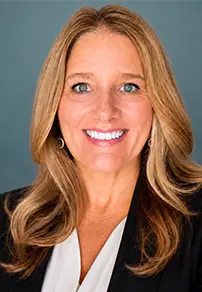
Kelli Stovall, RPh, EMBA
Vice President of Pharmacy Services
Independent Pharmacy Cooperative
Kelli Stovall, RPh, EMBA, is Vice President of Pharmacy Services at Independent Pharmacy Cooperative (IPC), where she leads strategy and programs that support independent pharmacy growth and performance. She brings more than 20 years of experience in community pharmacy, with a focus on clinical services, operations, and revenue-generating opportunities for pharmacy owners.

Samantha Pomeroy, CPhT-ADV
Director of Pharmacy Services and Specialty Programs
Independent Pharmacy Cooperative
Samantha Pomeroy, CPhT-ADV, is the Director of Pharmacy Services and Specialty Programs at IPC, bringing over 20 years of experience as a certified pharmacy technician and operations leader. She helps independent pharmacies identify new revenue opportunities, implement clinical programs, and enhance patient care through innovative, strategic solutions.