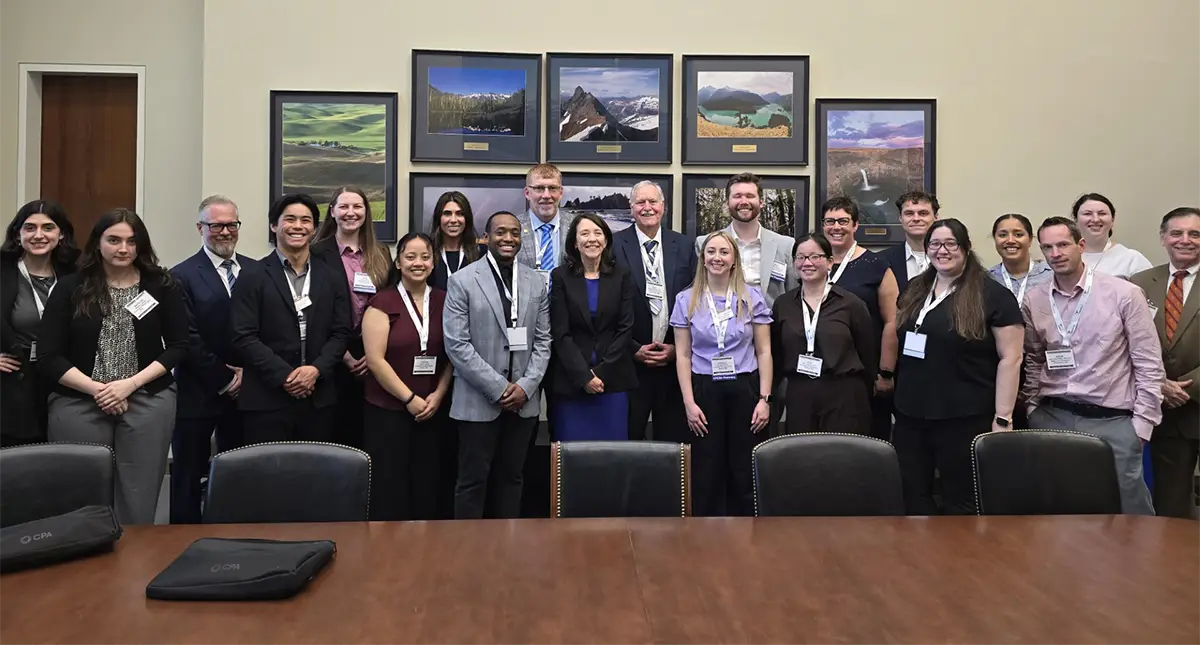
Last week, more than 350 independent pharmacy professionals from across the country gathered in Washington, D.C. for the 2026 NCPA Fly-In, unified by a shared goal: ensuring lawmakers understand both the urgency and the opportunity facing community pharmacies.
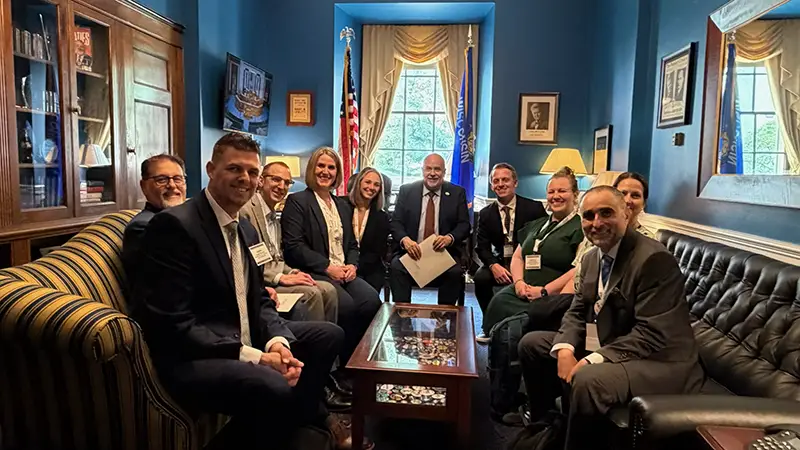
Independent Pharmacy Cooperative (IPC) was proud to be represented by John Covello and Joe Meinholz, who joined colleagues for two full days of coordinated advocacy meetings on Capitol Hill. Together, participants met with dozens of members of Congress and key legislative staff to reinforce what independent pharmacies have long known and what policymakers must continue to act on.
This year’s message was clear: PBM reform is working but the job is far from finished.
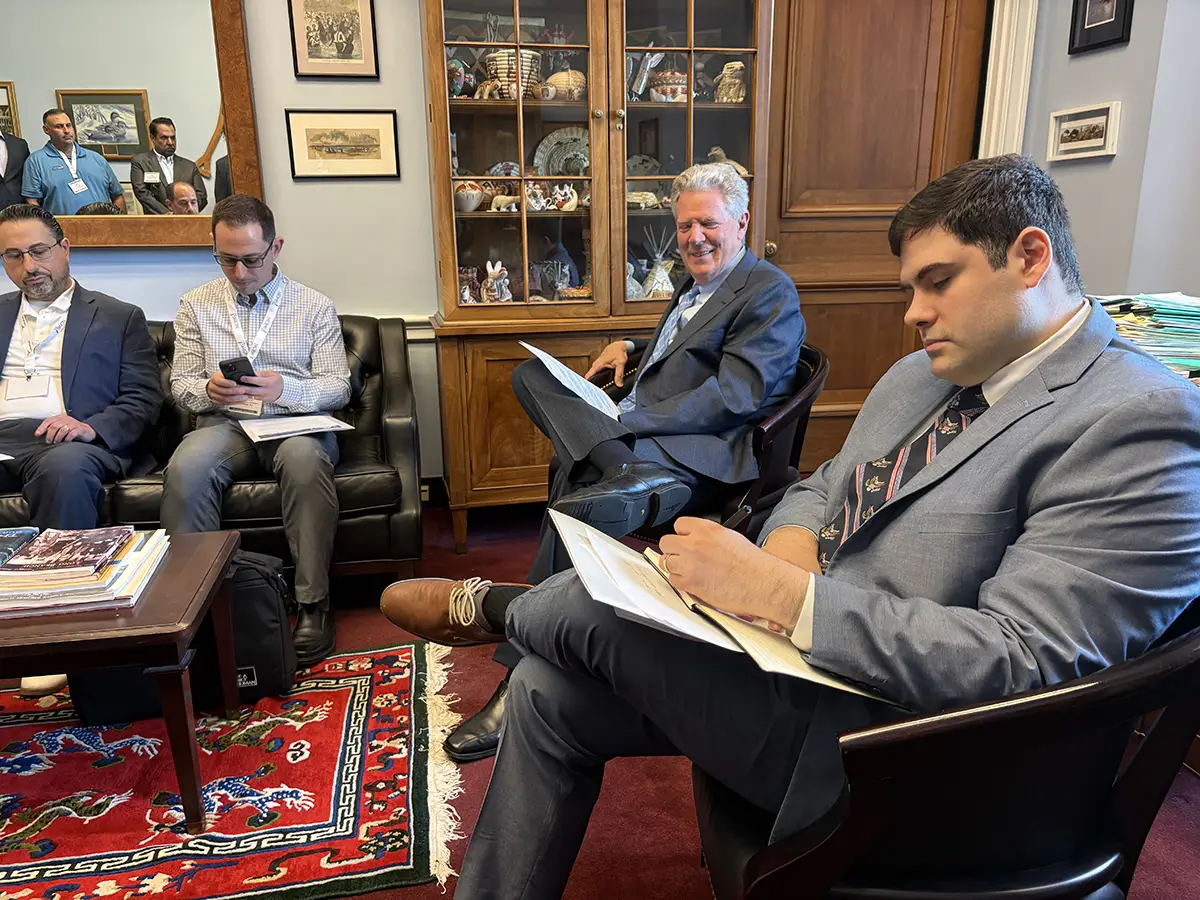
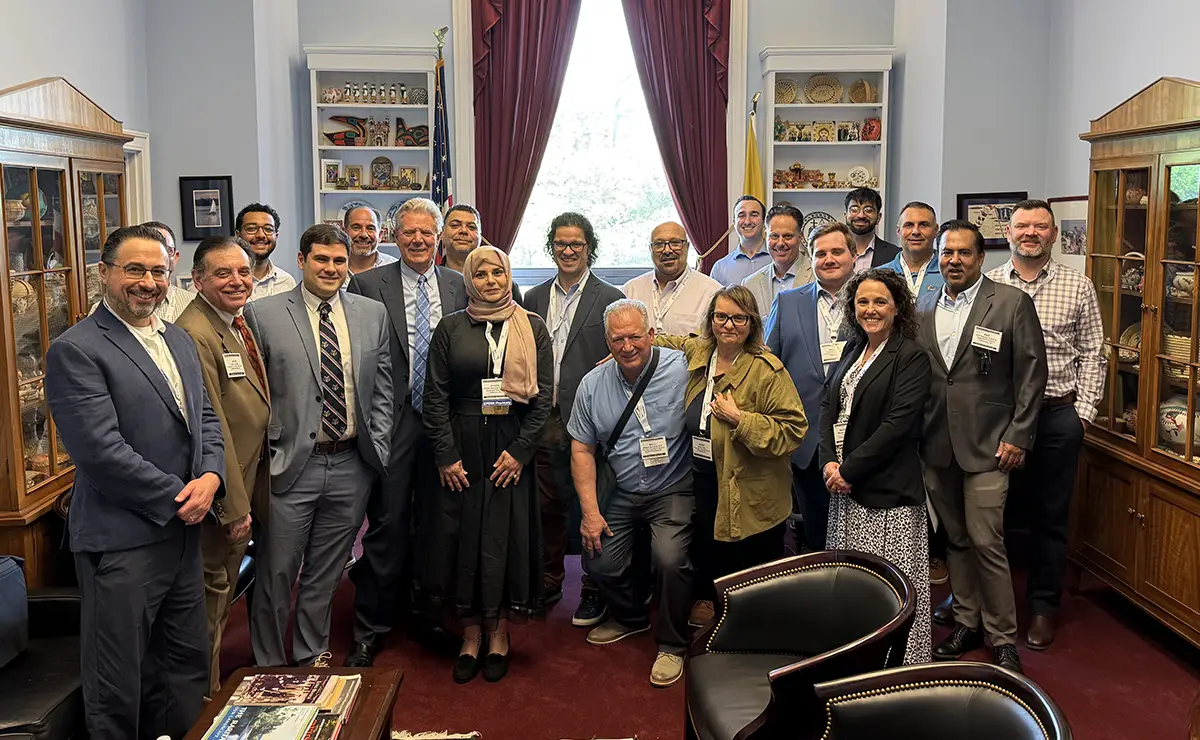
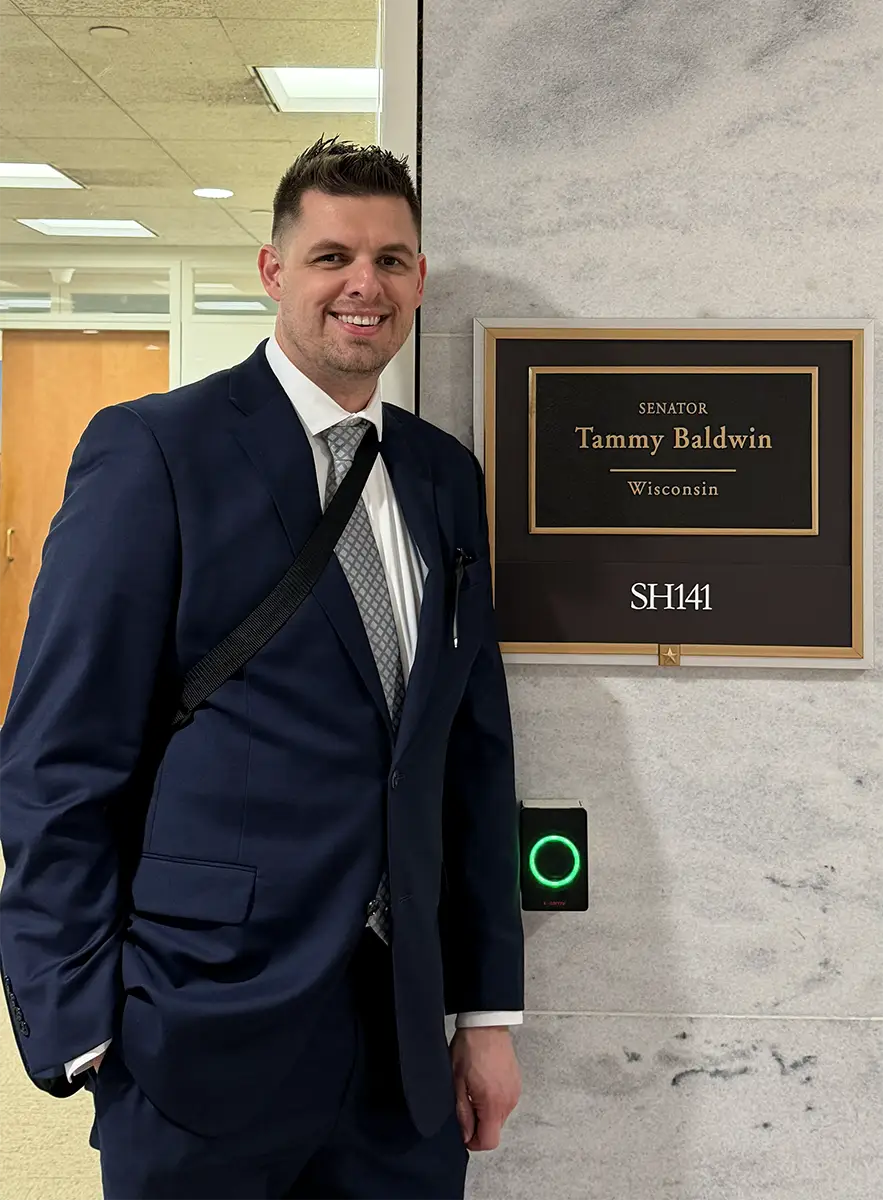
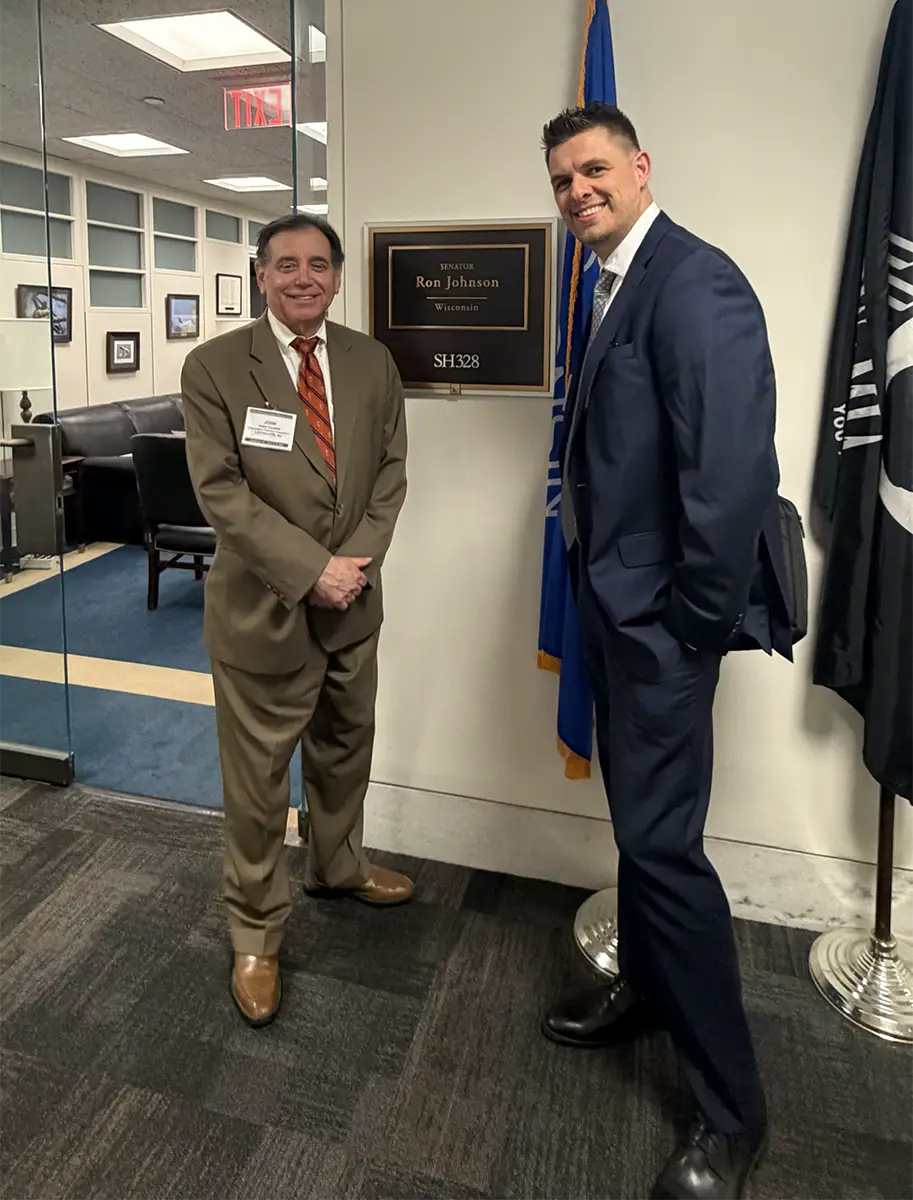
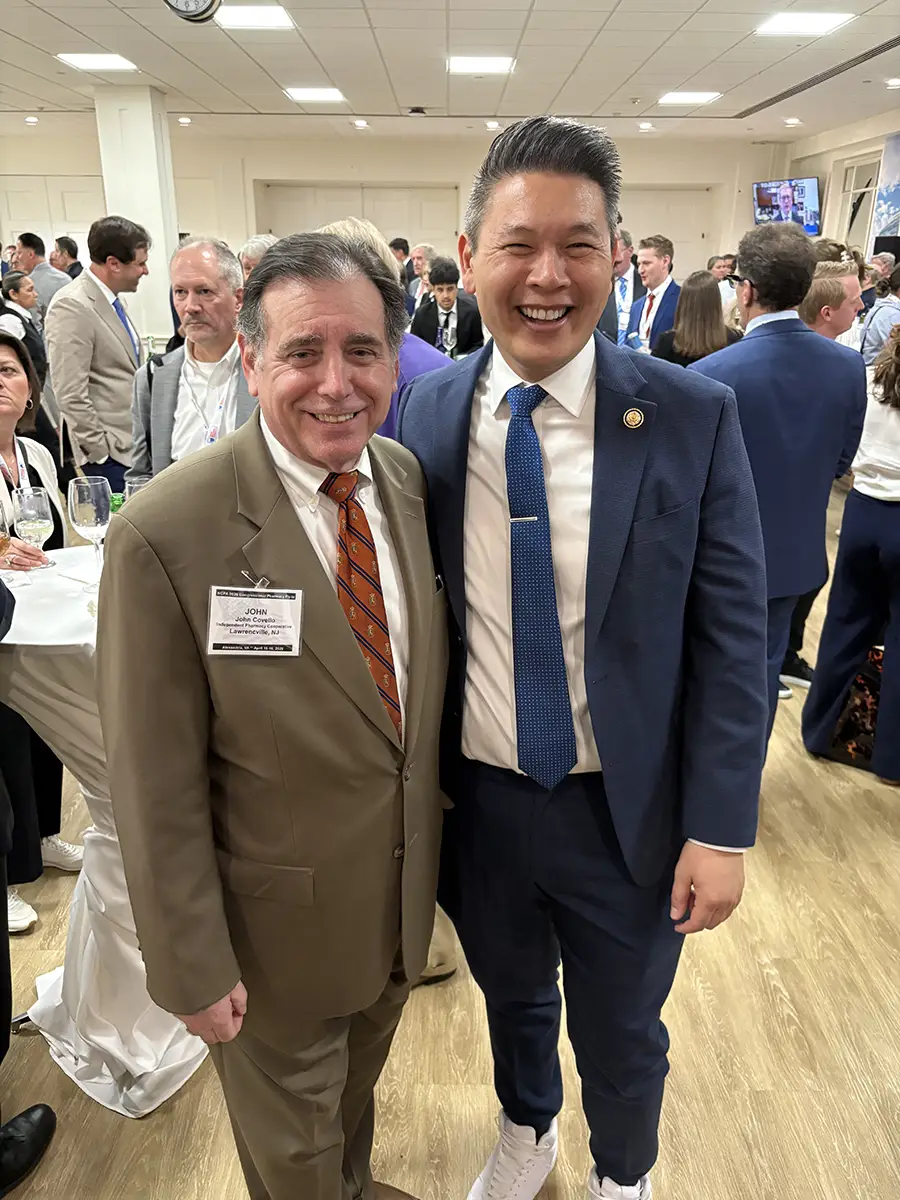
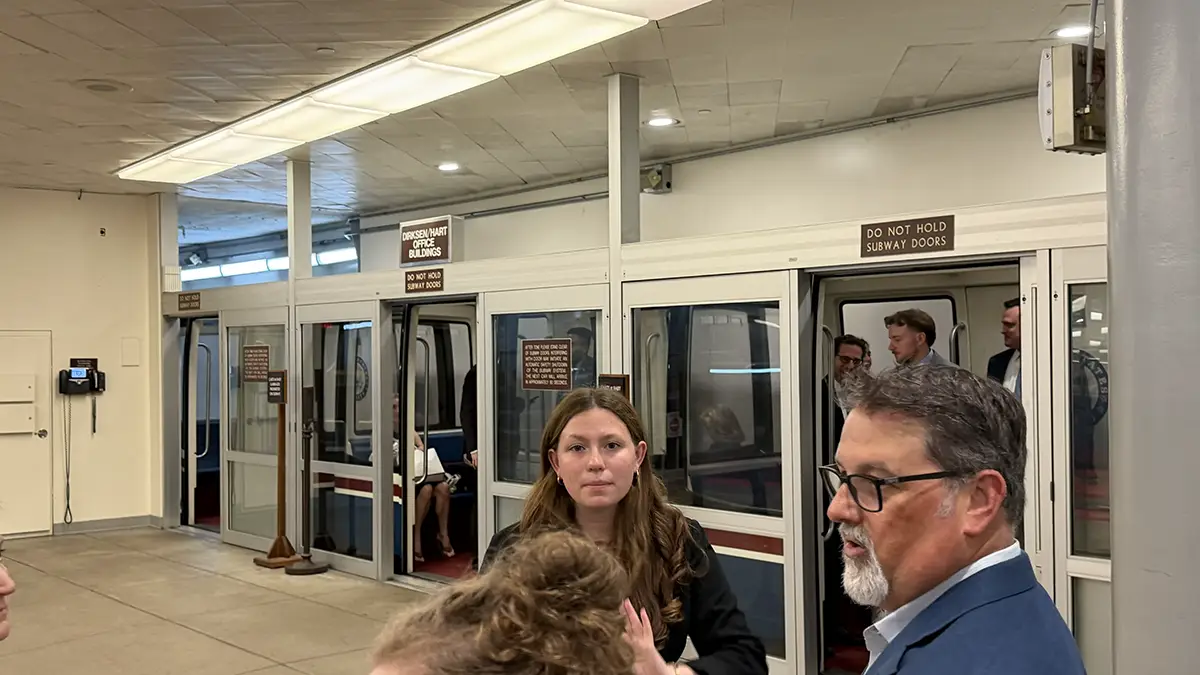
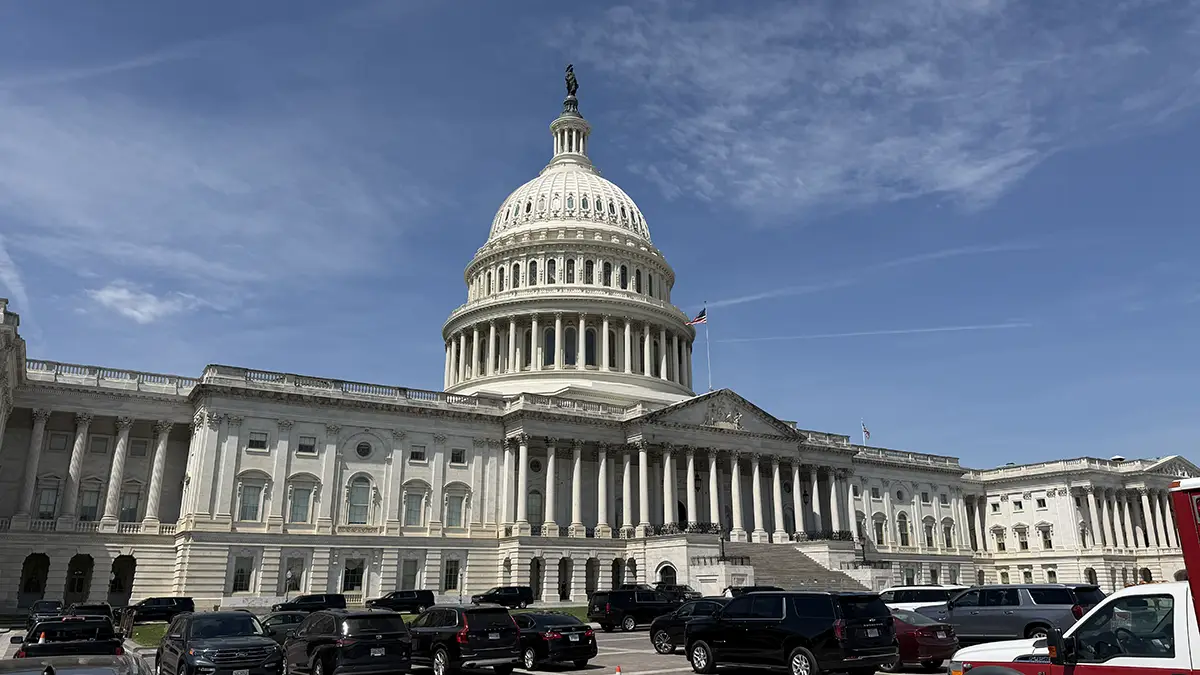
Two Days of Advocacy with One Unified Voice
The Fly-In spanned two intensive days, combining policy briefings, strategic discussions, and direct meetings with legislators and staffers responsible for shaping federal health policy.
Pharmacy advocates used these meetings to:
- Thank lawmakers for recent progress on PBM reform
- Share real-world data illustrating the ongoing harm caused by PBM practices
- Advocate for further Federal PBM reforms across all taxpayer-funded programs
- Reinforce the pharmacist’s role as an essential healthcare provider
For IPC, the Fly-In was an opportunity not just to show up but to ensure lawmakers heard consistent, data-backed messages rooted in patient access and accountability.
Momentum on PBM Reform; And Why It Matters
A central focus of conversations on Capitol Hill was the PBM reforms included in the recently passed Consolidated Appropriations Act, particularly provisions affecting Medicare Part D.
Lawmakers were thanked for advancing requirements around reasonable and relevant contracts, a critical step that helps curb abusive PBM practices and inject transparency into a system that has operated in the shadows for too long.
But IPC representatives also emphasized a crucial point: Medicare Part D reform is only the beginning.
PBM behavior continues to negatively impact other federal PBM reforms in taxpayer funded programs, including:
- Medicaid Managed Care
- TRICARE
- The Federal Employees Health Benefits Program (FEHBP)
If PBMs are allowed to exploit loopholes in these programs, taxpayers, patients, and pharmacies remain at risk.
The Data Lawmakers Can’t Ignore
Throughout the Fly-In, pharmacy advocates reinforced their conversations with hard facts—data that clearly illustrates the consequences of unchecked PBM power.
Among the most compelling statistics shared:
- PBMs generated $7.3 billion in revenue from drug price markups between 2017 and 2022
- Nearly 1 in 3 retail pharmacies have closed since 2010
- Closures disproportionately impact communities of color
- Pharmacy closures are linked to declining medication adherence
- These closures are accelerating the growth of pharmacy deserts, limiting access to essential care
These aren’t abstract numbers. They represent patients driving farther for medications, delayed treatment, fewer preventive services, and increased strain on already-fragile healthcare systems.
For many lawmakers, hearing how these trends play out in their own districts helped reinforce the stakes—and the responsibility to act.
Wednesday Highlight: A Pharmacist’s Voice on Capitol Hill
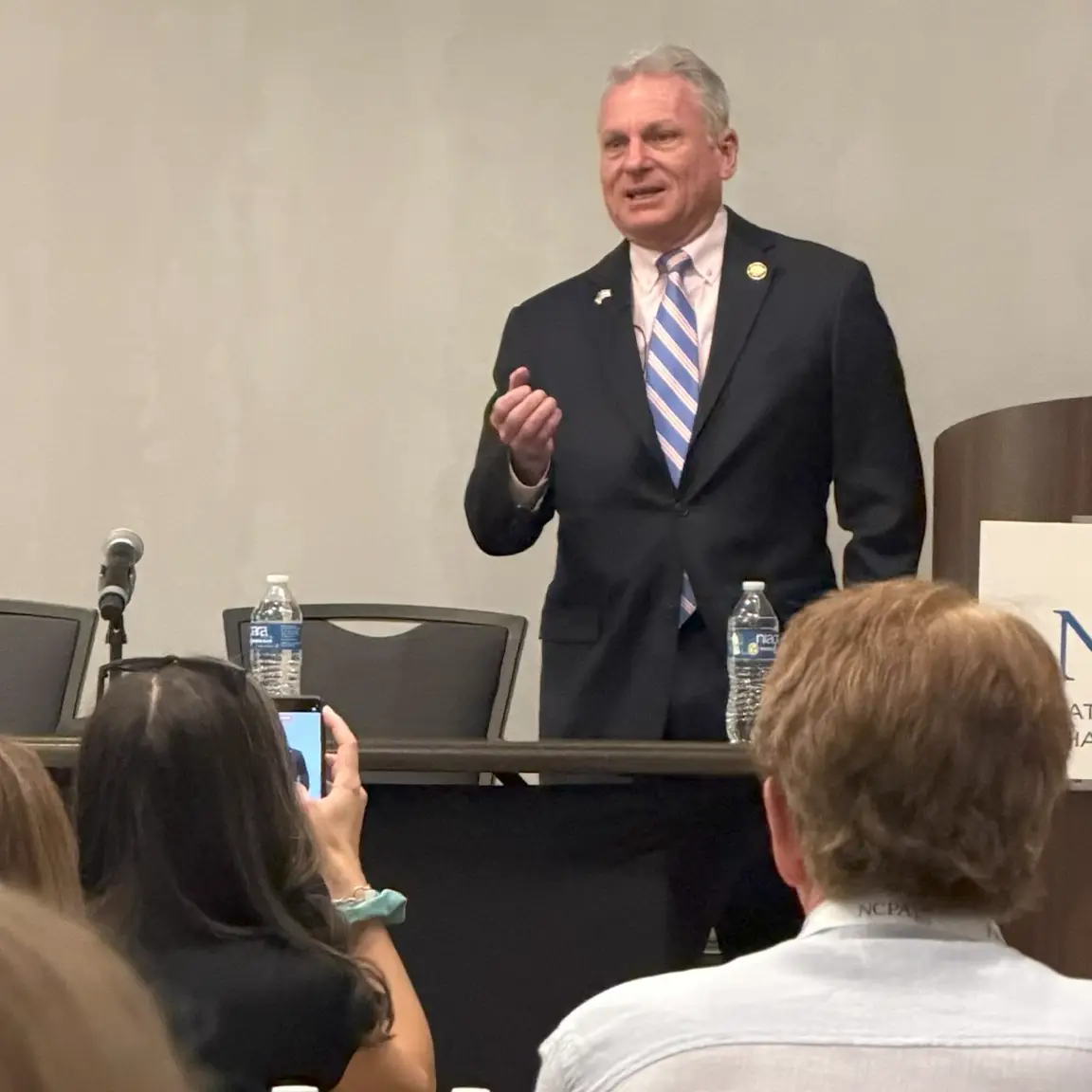
One of Wednesday’s highlights was a visit from Representative Buddy Carter, a pharmacist and longtime advocate for community pharmacy.
Rep. Carter emphasized the importance of staying engaged, staying vocal, and continuing to educate lawmakers about the realities pharmacies face every day. He also shared his hope to pursue a future run for the U.S. Senate, underscoring how valuable it would be to have a practicing pharmacist representing healthcare professionals at the highest legislative levels.
His message resonated strongly with attendees: progress happens when pharmacists stay at the table—and when policymakers hear directly from those delivering care.
Thursday Focus: Medicaid Managed Care Reform
Thursday featured an in-depth discussion led by Antonio Ciaccia, President of 3 Axis Advisors, who walked attendees through the growing importance and urgency of Medicaid Managed Care reforms.
As Medicaid continues to expand, PBM practices within managed care structures remain largely unregulated, creating yet another avenue for margin erosion and patient access issues.
The discussion reinforced the need for:
- Transparency in pharmacy reimbursement
- Accountability for PBMs operating within Medicaid managed care
- Federal oversight that reflects how these programs function in practice
Reform in Medicaid isn’t optional, it’s essential to stabilizing pharmacy access for some of the nation’s most vulnerable populations.
Key Meetings with House and Senate Members
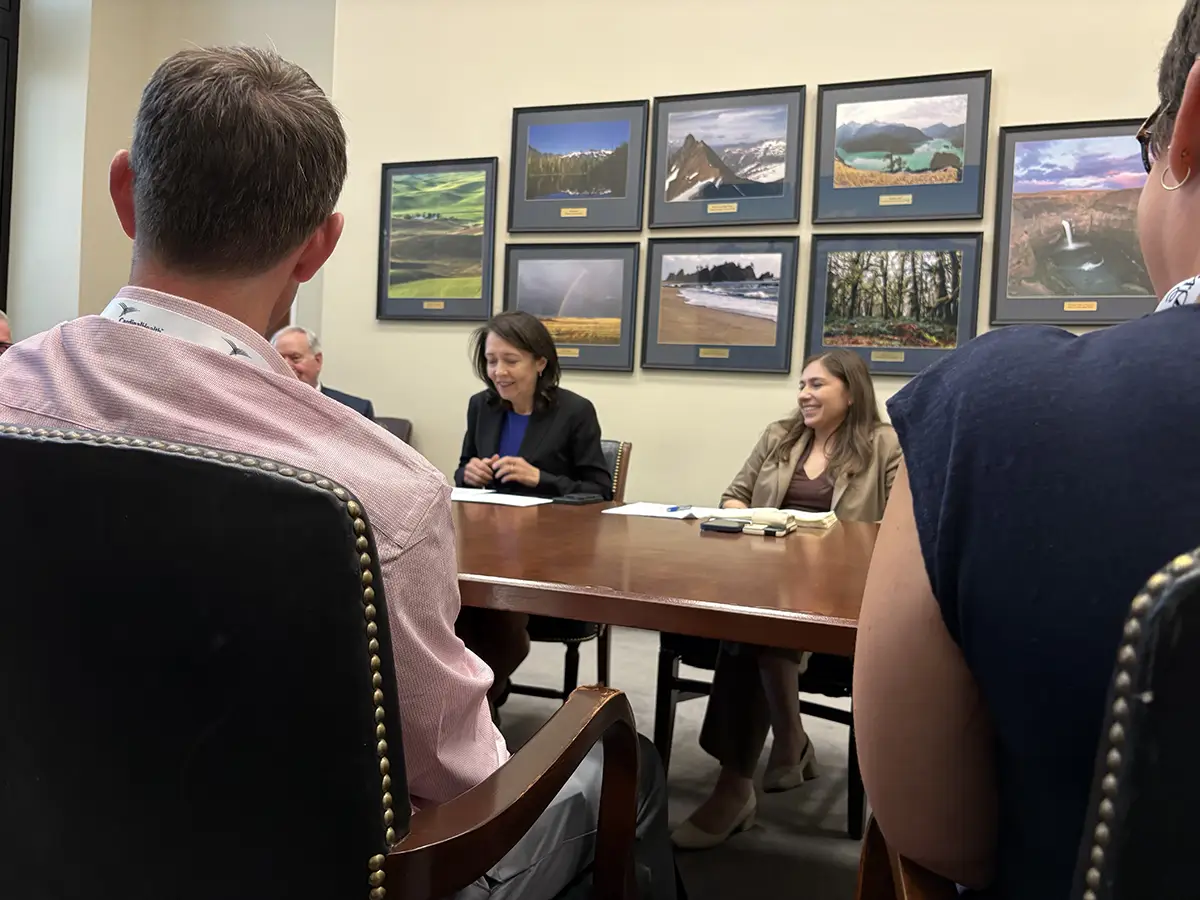
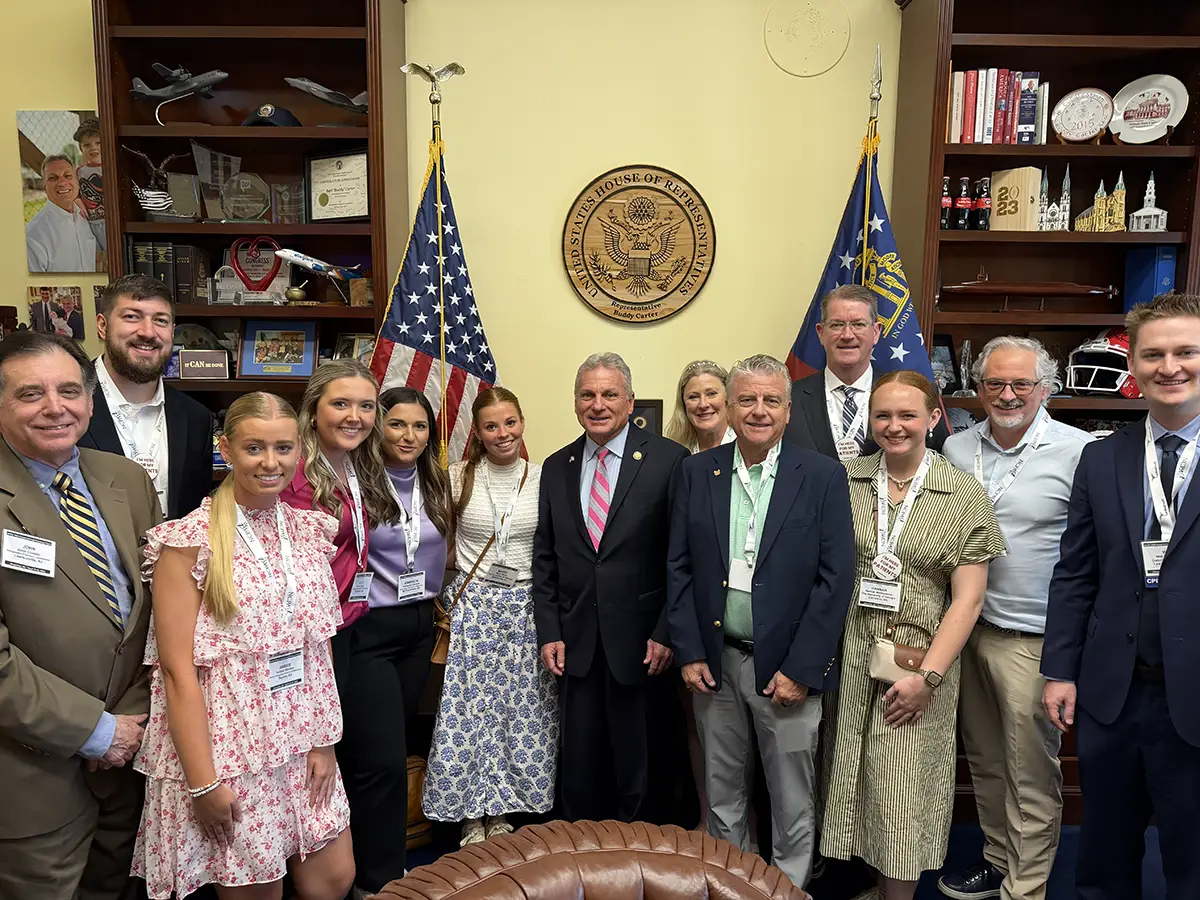
IPC representatives over the course of 2 days participated in 9 meetings with House and Senate members from 7 states, reinforcing IPC’s role as a national advocacy leader on national pharmacy issues.
IPC was in meetings with U.S. Senator Maria Cantwell (D-WA), Ranking Member of the Senate Commerce Committee and a Senior Member of the powerful Senate Finance Committee, Ranking Member of the House Energy and Commerce Committee Rep. Frank Pallone, Jr. (D-NJ) , Pharmacist champion in Congress Rep. Buddy Carter (R-GA), pharmacy owner Rep. Derek Tran (D-CA) and Rep. Mark Pocan (D-WI), where discussions focused on the tangible impact of PBM practices on independent pharmacies and the patients they serve. Meetings included staffers for:
- Senate Majority Leader John Thune (R-SD)
- Senator Ron Johnson (R-WI)
- Senator Tammy Baldwin (D-WI)
- Representative Debbie Dingell (D-MI)
- Representative Gwen Moore (D-WI)
These meetings reinforced that Federal PBM reform legislation remains bipartisan and that real progress comes from sustained, informed engagement.
Advocacy Works; But Only If We Keep Going
The 2026 NCPA Fly-In made one thing clear: independent pharmacy advocacy is making a difference. Lawmakers are listening. Reforms are moving. Momentum is building. But PBMs remain deeply entrenched in federal healthcare programs and they are strenuously fighting all these reform efforts. Continued advocacy and grassroots pressure by the independent pharmacy industry is vital to ensure reforms are not only passed but enforced and expanded.
The momentum on PBM reform is real, but it will take sustained engagement to finish the job. When IPC, NCPA, your state pharmacy association or wholesaler issues a call to action, please take the opportunity to contact your members of Congress and reinforce the need for accountability and patient access. And if you’re able, consider attending the 2027 NCPA Fly‑In to help carry this message directly to Capitol Hill. IPC remains committed to showing up, speaking plainly, and advocating relentlessly on behalf of independent pharmacies and the patients they serve.