During the last week of March, IPC continued its active engagement with federal policymakers as part of our ongoing commitment to protecting patient access to community pharmacy care.
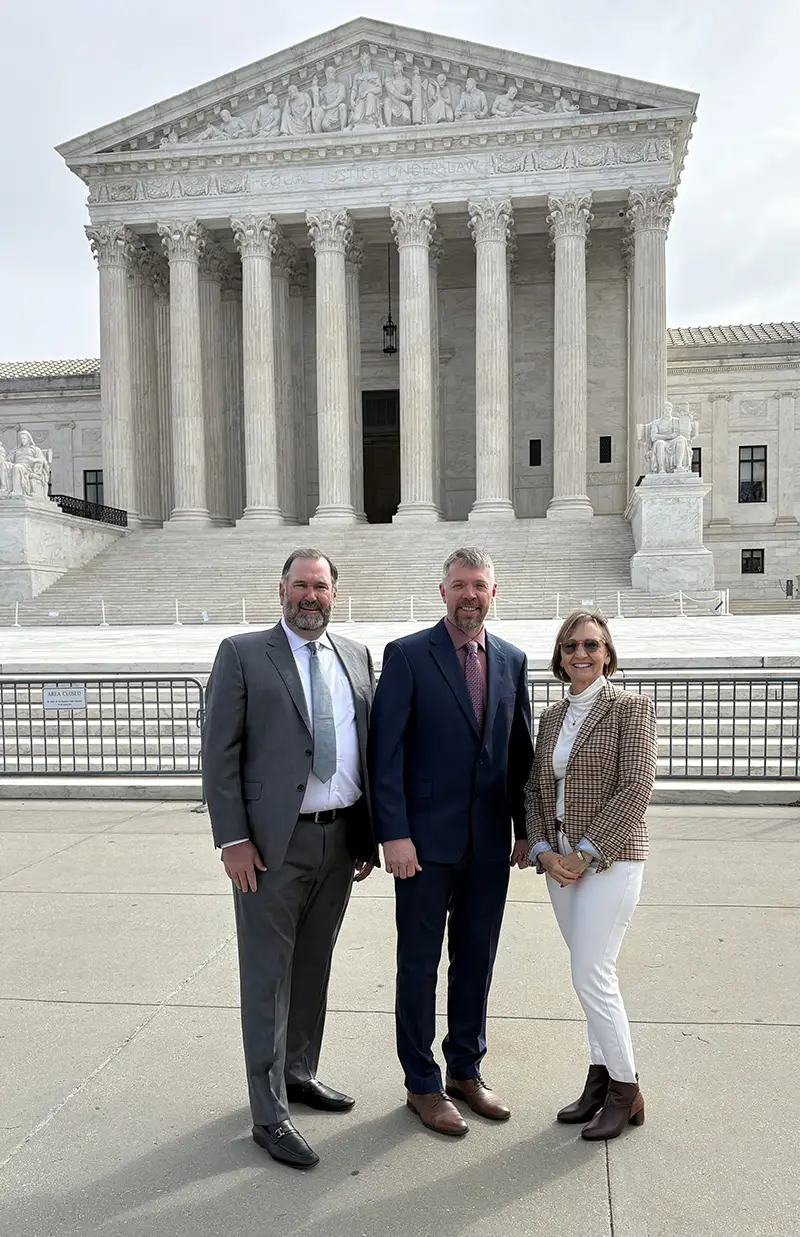
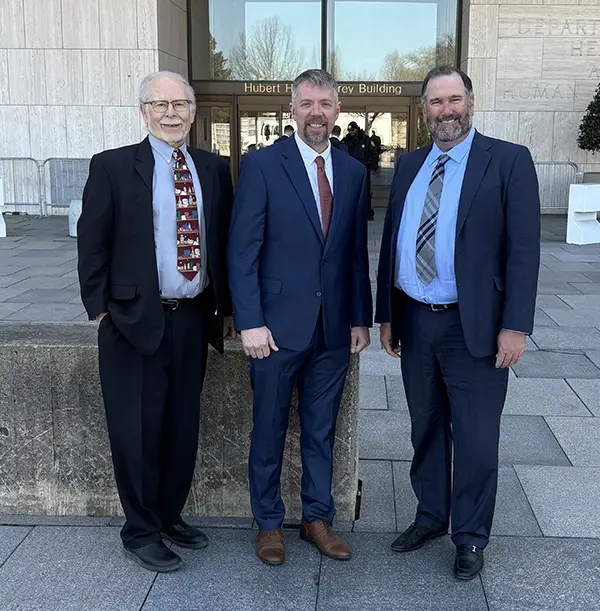
Mark Kinney, IPC EVP of IPC Government Relations, and John Covello, IPC Senior Director of Government Relations, were joined by a group of IPC executives and board members in Washington, DC, for a series of meetings with congressional offices. During the two‑day visit, the delegation met with 11 federal legislative offices, including Senate Finance Committee majority and minority staff, to advance discussions on key pharmacy policy priorities before Congress.
In addition to productive conversations with congressional staff, the group also met directly with Congressman Buddy Carter (R-GA) and Congresswoman Mariannette Miller-Meeks (RI-A), both of whom have long-standing experience with health care policy and pharmacy-related issues.
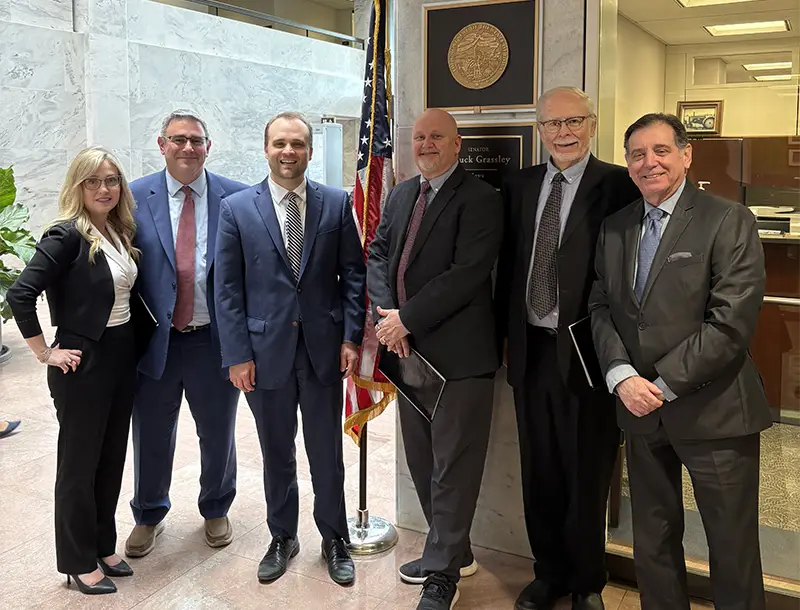
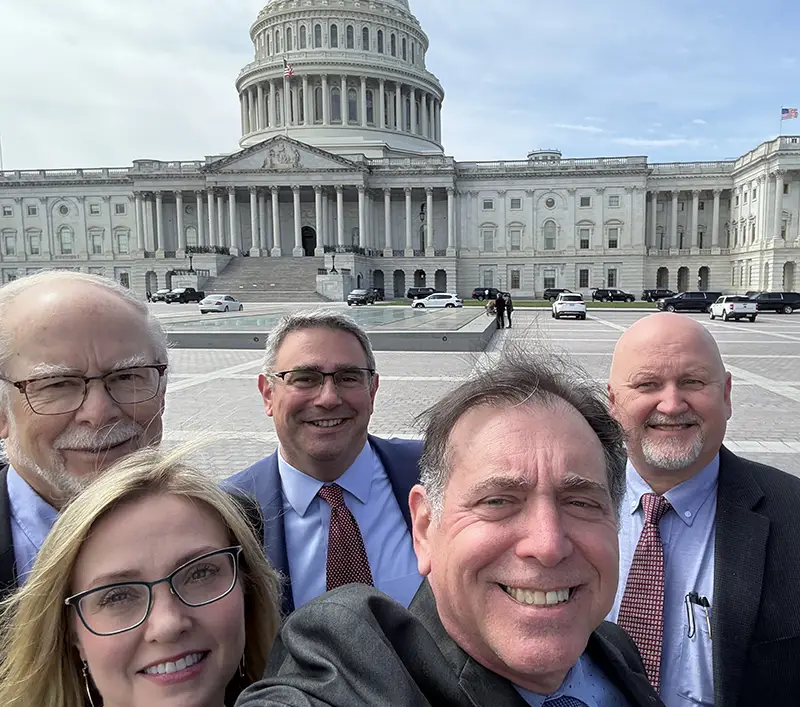
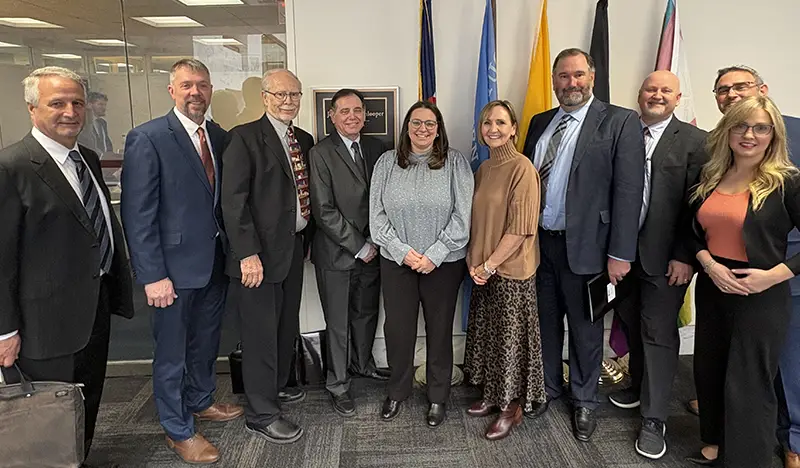
Building on Recent Progress
IPC’s delegation thanked lawmakers and staff for Congress’s recent action on Medicare Part D reforms and private sector PBM legislation passed earlier this year. These measures represent‑ important progress toward addressing long‑standing challenges facing pharmacies and patients.
At the same time, IPC emphasized that additional federal action is still needed to ensure those reforms are implemented as Congress intended—and to address other policy gaps that continue to threaten patient access to independent pharmacies.
Key Issues Raised in Congressional Meetings
During each meeting, IPC representatives shared position papers outlining priority policy areas and reinforced the importance of continued congressional attention to the following issues:
- Ensuring proper implementation of Medicare Part D PBM reforms
IPC urged congressional offices to closely oversee CMS’s implementation of the recently enacted Part D reforms. These reforms were intended to establish reasonable and relevant PBM contract terms, strengthen essential pharmacy protections.
> Position Paper – Medicare Part D Reform
- Medicaid managed care prescription drug reform
IPC highlighted the need for federal legislation to address spread pricing and other cost practices within Medicaid managed care prescription drug programs. These practices continue to inflate costs for taxpayers while reducing pharmacy reimbursement and limiting patient access to care.
> Position Paper – MMC Rx Reform
> White Paper – Need for MMC Reform
- Provider status and reimbursement for pharmacists’ services
IPC reiterated the need for legislation allowing pharmacists to bill Medicare for medical services within their scope of practice. Expanding provider recognition would improve access to care—particularly in underserved communities—and better leverage pharmacists as part of the health care workforce.
> Position Paper – ECAPS
- Addressing PBM market concentration and vertical integration
IPC raised concerns about the economic impact of PBM vertical integration and market concentration, emphasizing the need to address conflicts of interest within the PBM industry through divestiture legislation aimed at restoring competition and transparency in prescription drug markets.
> Position Paper – PBM Divesture Legislation
Engagement with HRSA on the 340B Rebate Model Program
In addition to congressional meetings, IPC representatives also met with Tom Engels, Director of the Health Resources & Services Administration (HRSA), to discuss the proposed implementation of the 340B Rebate Model Program.
During the meeting, IPC shared perspectives on how the proposed rebate model could impact community pharmacies and patient access, and emphasized the importance of clear, workable implementation policies. HRSA outlined its current approach and the agency’s interest in stakeholder feedback as it evaluates next steps for the program.
Following this discussion, IPC plans to submit formal responses to HRSA’s Request for Information (RFI) ahead of the April 20 deadline, ensuring that the voice of independent pharmacies is represented as the agency considers the future of the 340B rebate model.
A Constructive and Engaged Dialogue
Across all meetings, IPC’s Board and staff found the discussions to be thoughtful, substantive, and engaging. Congressional offices and federal agency leadership expressed interest in the issues raised and acknowledged the ongoing challenges facing independent pharmacies and the patients they serve.
IPC appreciates the continued willingness of lawmakers, staff, and federal agencies to engage on these important issues and to support policies that preserve access to community pharmacy care.
What’s Next
IPC Government Relations will continue working with congressional offices, federal agencies, and coalition partners to advance these priorities throughout the year. Member engagement remains critical as Congress and regulators consider additional health care legislation and oversight actions in the months ahead.
For members interested in further advocacy opportunities, there is still time to participate in NCPA’s Annual Washington, DC Fly‑In, taking place April 15–16. This event provides pharmacists with another opportunity to meet directly with lawmakers and share the impact of federal policy decisions on their communities and patients.
IPC’s Senior Director of Government Relations John Covello and Marketing Manager Joe Meinholz will be attending and joining meetings across Capitol Hill with NCPA member independent pharmacy owners. IPC encourages members who can attend to consider joining this important advocacy effort.
Visit ncpa.org/congressional-pharmacy-fly for more.