Independent pharmacies can expect IPC’s Government Relations team to stay firmly on offense and defense in 2026, protecting your current revenue streams while opening new doors for clinical services and fair reimbursement at both the federal and state level.
The Big Picture: Defense and Offense in 2026
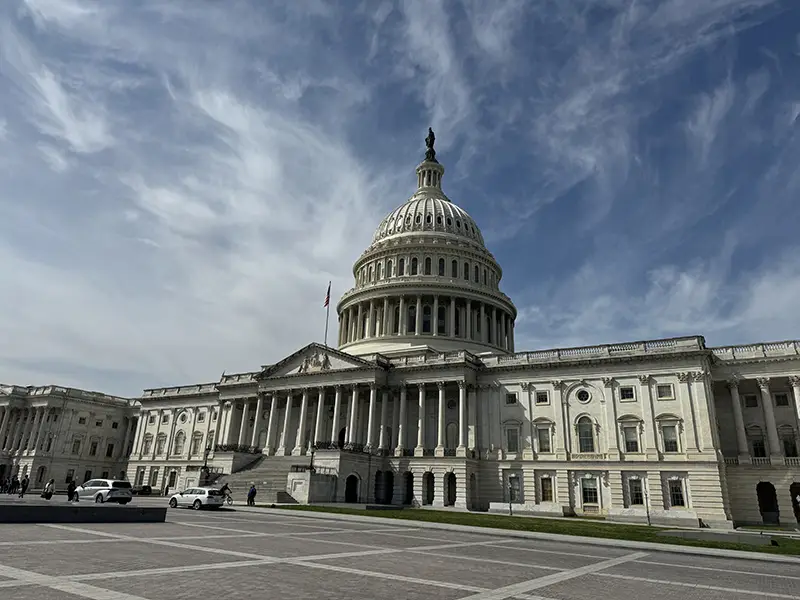 2026 is about defending against new threats or pursuing new opportunities.
On the federal side, the top priorities are:
- PBM reform
- Implementation of Medicare’s drug price negotiation program (MDPNP)
- Federal provider status under Medicare (E-CAPs)
On the state side, IPC will focus on:
- Enforcing and expanding PBM reform laws
- Advancing provider status and service-based payment models
- Fighting harmful restrictions on compounding
- Positioning pharmacies to benefit from rural health transformation funding
“We have passed a lot of good bills…now we are challenged with implementing all those and that hasn’t been easy.”
Federal Priorities: PBM Reform, Medicare, and Provider Status
At the federal level, IPC’s work centers on making sure you are paid fairly for the care you already provide and able to do more for patients without being boxed out by PBMs or policy gaps.
Top federal focus areas:
PBM reform
- Continuing to push for transparency and fair reimbursement.
- Keeping pressure on Congress even when timelines slip, so that when there is movement, independent pharmacy priorities are ready to go.
Medicare drug negotiation implementation
- Ensuring new Medicare pricing structures do not result in pharmacies being squeezed further.
- Monitoring how negotiated prices and plan designs flow down to pharmacy reimbursement and access.
Provider status under Medicare (E‑CAPs)
- Supporting federal efforts to recognize pharmacists as providers so you can bill for clinical services, not just dispense.
- Aligning this work with what IPC is building at the state level, so federal and state policies reinforce each other rather than conflict.
State-Level Focus: PBM Reform, Compounding, and Rural Health
State work is where IPC expects the most direct and immediate impact on your bottom line in 2026.
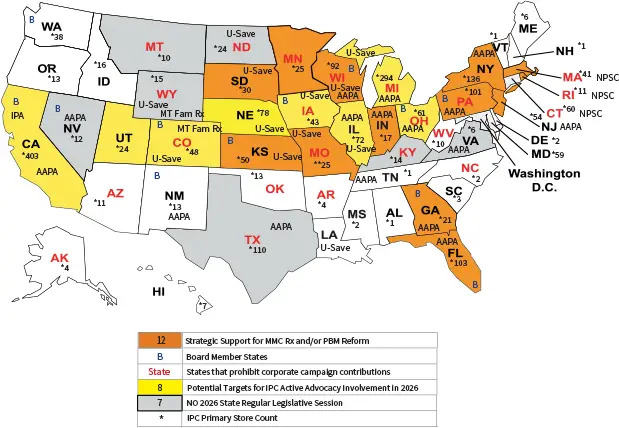
Enforcing and Expanding PBM Reform
IPC is focused on making sure recent state PBM wins translate into better reimbursement and transparency at the counter.
Key implementation and expansion states in 2026 include:
Implementation focus (make the laws work):
- Colorado
- Illinois
- Iowa
- Montana
- California (with more implementation work to come)
Expansion/next-wave targets:
- Ohio
- California (additional reforms)
- Utah
- Additional states looking to adopt the successful “commercial floor” model
“One of the biggest focuses and priorities for us is to make sure the work we did last year gets implemented in the right way and pharmacists are getting paid a fair, transparent amount.”

What does this mean for you:
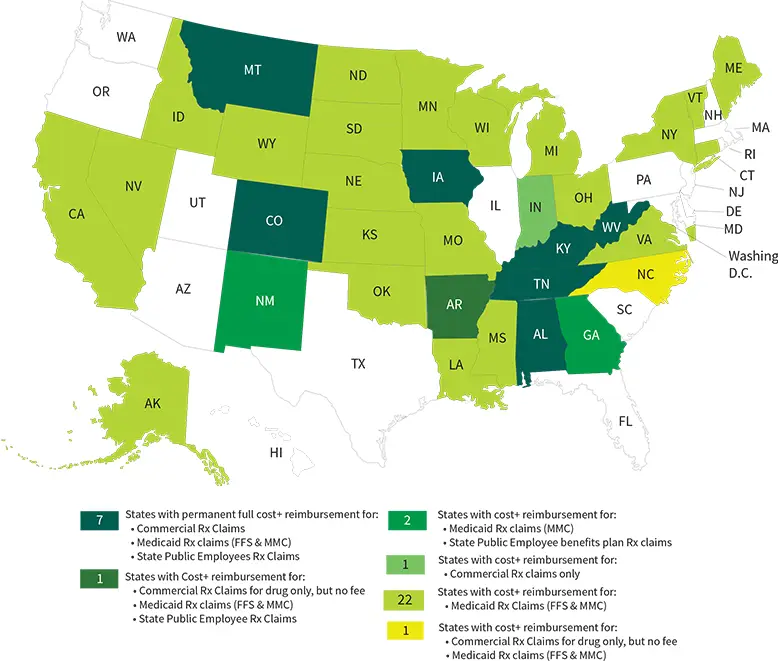
- More states are moving to NADAC + a professional dispensing fee for Medicaid and other public programs.
- Commercial plan reforms (“commercial floor”) that help ensure you are not routinely underwater on reimbursement.
- Aggressive follow‑up when PBMs attempt to ignore or sidestep new state laws.
Protecting Compounding: 503A and 503B
A major new front in 2026 will be restrictions on compounding, both for 503A (independent pharmacies) and 503B (outsourcing facilities).
What’s coming:
- Drug manufacturers are expected to push bills in multiple states aimed at restricting compounding, with Colorado as a key test state and an anticipated 9–10 states in play.
- While these efforts are being framed as patient safety measures; especially around GLP‑1s and “med spa” practices, they are written broadly enough to threaten legitimate pharmacy compounding and outsourcing channels.
How IPC will respond:
- Defend the ability of 503A community pharmacies to compound tailored medications (e.g., allergy-friendly formulations, liquid instead of solid dosage forms).
- Closely track and engage in states like Colorado so a pharma‑driven model does not quietly become the 50‑state template.
- Protect member access to compounded products through 503B partners (such as vendors you purchase from via IPC programs) by pushing back on overly burdensome or overbroad 503B restrictions.
“We are working with industry stakeholders to ensure patients have access to the compounded drugs they need.”
Rural Health Transformation: Turning Funding into Opportunity
States are receiving tens of billions of dollars over five years for rural health transformation, though many are only getting back a fraction of what was previously cut.
IPC’s role in 2026:
- IPC has joined coalitions with NACDS, NCPA, Microsoft, and others and has submitted pharmacy-focused recommendations to all 50 state rural health directors.
- A major priority is securing pharmacist access to electronic health records (EHRs), because without EHR access, you cannot bill, prescribe, or fully participate in team-based care.
- IPC has recommended that states:
- Pay pharmacies directly (not through third parties) for clinical services.
- Use standard CPT codes for services such as remote patient monitoring and other high‑value clinical interventions in rural areas.
“One of the big things…is getting pharmacists access to the electronic health record. You can’t really do billing or prescribing…if you don’t have access.”
For independent pharmacies in rural and semi‑rural communities, this creates real potential for new service lines and revenue, if IPC’s recommendations are adopted at the state level.
See how your state is approaching rural health transformation
The National Rural Health Association (NRHA) has developed a tracking guide that shows how states are designing and budgeting their Rural Health Transformation strategies under the federal program to strengthen rural healthcare delivery and stabilize essential services.
Download the RHTP Tracking Guide to see how much funding your state has been awarded and which initiatives are being pursued.
Creating New Revenue Streams and Sustaining Clinical Services
Beyond any single bill, IPC’s Government Relations strategy is focused on building durable, service‑based revenue, so your value as a healthcare provider shows up on your balance sheet.
Key strategy pillars:
Protecting existing programs
- Safeguarding 340Baccess where applicable.
- Defending compounding as a critical clinical and access tool.
- Preserving and expanding vaccination authority and payment.
Growing clinical service payments
- Supporting models like the Michigan–Unitedprogram where pharmacies are paid both for outcomes and for patient counseling/intervention.
- Coordinating with IPC Pharmacy Services to bring similar programs online in more states.
- Aligning state payment models (NADAC + fee, commercial floor) with clinical service billing so your dispensing work and clinical work are both recognized and reimbursed.
Aligning public and private payers
- Moving Medicaid and state employees plans to sustainable models.
- Using those wins to push commercial plans toward similar structures.
“We’re going out and trying to find new ways to bring value…creating new revenue streams for our member pharmacies.”
How Members Can Engage and Prepare in 2026
Your direct voice as a constituent is what moves lawmakers. 2026 will be a year when that grassroots voice matters more than ever.
What IPC needs from you:
Answer the calls to action.
- IPC ran campaigns that engaged roughly 800 grassroots “champions” last year and expects similar or greater engagement in 2026.
- When IPC asks you to email, call, or meet with a lawmaker, it is because the timing is critical and your voice is uniquely powerful compared with large chains or PBMs.
Build local relationships.
- Get to know your state legislators now, before they are asked to vote on compounding, PBM reform, or rural health programs.
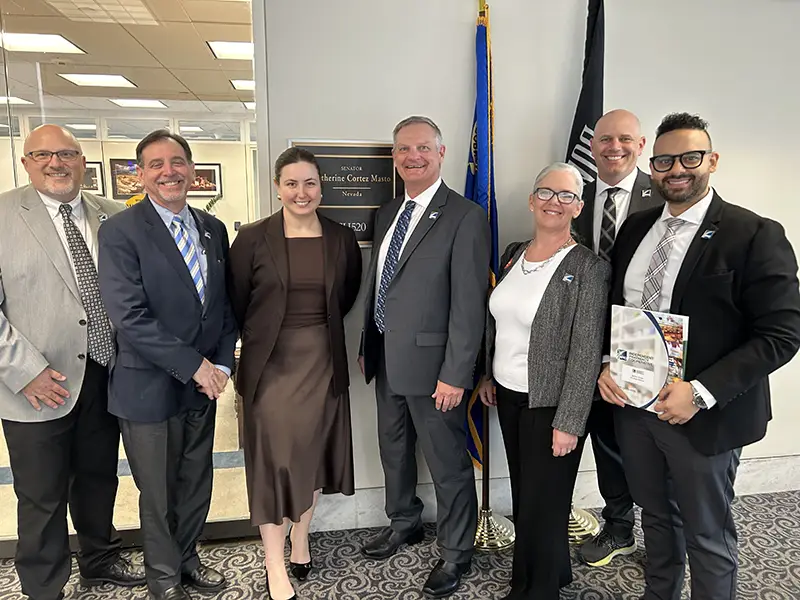
- Invite them into your pharmacy so they can see firsthand the care you provide and the role you play in your community.
Be ready for election‑year turnover.
- Many new lawmakers will be coming into office in 2026. IPC is already working with lobby partners and supporting pro‑pharmacy candidates in key races (including governor and legislative races in states).
Your local engagement helps ensure those new officials see independent community pharmacy as essential infrastructure, not an afterthought.
“Their voice carries weight…more meaningful than these big multi billion-dollar companies. We need them to get engaged.”
Moving Forward Together
The policy environment in 2026 will be complex and often frustrating, but IPC is built for moments like this: member‑owned, led by independent pharmacy owners, and fully committed to making sure you can remain sustainable, competitive, and central to your community’s health.
If you want to understand how these priorities affect your pharmacy specifically; whether you are a single‑store owner, managing multiple locations, just starting out, or planning for succession, the next best step is simple: start a conversation with IPC. An informed member is a successful member, and 2026 is a year where being informed and engaged can directly shape your future.