“Transform Your Pharmacy in 2026” is a strategic conversation led by IPC’s Pharmacy Services team that shows independent pharmacy owners how to turn 2026 into a true reset year for their business.This video walks through the biggest clinical and operational opportunities ahead and explains how to blend these opportunities with smarter purchasing and workflow optimization to drive sustainable revenue and efficiency.
You’ll hear examples of pharmacies that have expanded vaccines, adopted technology, empowered technicians, and leveraged vendor partnerships to strengthen profitability and regain time. The experts in IPC Pharmacy Servies share practical, step-by-step guidance on where to start, what can generate revenue within the first 90 days, and how to use data, delegation, and strategic partners like IPC to build a more resilient, outcomes-driven community pharmacy in 2026 and beyond.
Presented by:

Kelli Stovall
VP of Clinical Programs and Pharmacy Services
Independent Pharmacy Cooperative
Kelli Stovall serves as Vice President of Pharmacy Services at Independent Pharmacy Cooperative (IPC), where she plays a pivotal role in shaping the future of independently owned community pharmacies.
With a pharmacist’s eye and a devotion to community care, Kelli brings more than two decades of experience in pharmacy management and the implementation of community-focused clinical service programs. Kelli has a relentless pursuit of excellence and a passion for driving positive change for the independent pharmacy industry; and is committed to elevating independent community pharmacies and securing their future.
Kelli’s mission is to empower independent pharmacy business owners and ensure the sustainability of the industry. Through her leadership, she leads initiatives aimed at facilitating revenue-generating opportunities for IPC’s membership, fostering growth and prosperity within the independent pharmacy community.
Kelli leads the Pharmacy Services team at IPC with dedication, advocating for members’ interests, providing education, and offering expert business consultations to support independent pharmacy owners in navigating the ever-evolving landscape of healthcare.

Samantha Pomeroy
Director of Pharmacy Services & Specialty Programs
Independent Pharmacy Cooperative
Samantha Pomeroy is a pharmacy professional serving as the Director of Pharmacy Services and Specialty Programs for IPC. With a career spanning over 20 years working as a Certified Pharmacy Technician and Director of Operations, she brings a wealth of experience and expertise to her role. She tirelessly works alongside our members to identify and implement innovative business solutions that elevate their practice and enhance profitability. Her commitment to the success of community pharmacies is unwavering, and she finds fulfillment in providing personalized consultations to help businesses flourish.
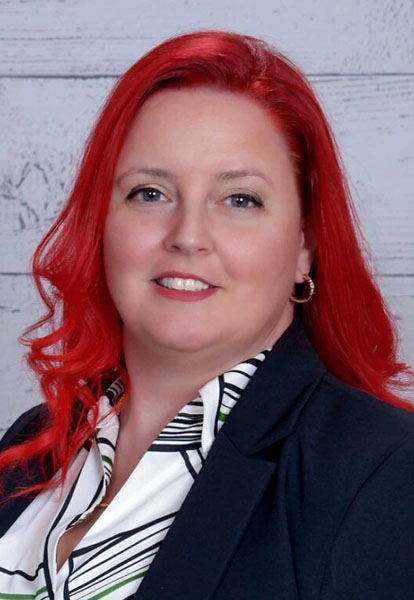
Shannon Battle
Pharmacy Services Manager
Independent Pharmacy Cooperative
Shannon Battle serves as the Manager of Pharmacy Services. As a certified pharmacy technician, Shannon brings over 12 years of retail, community and closed-door pharmacy experience to the Vendor Advantage Network. She works tirelessly to seek out the most efficient business solutions, the highest revenue margins and elevated customer service possible from vendors offered to our members. Shannon’s history as a Pharmacy Training Manager has given her valuable insights into the real behind-the-scenes needs of a pharmacy and providing quality access to products and services for our members is her number one priority.
Transcript
[Transcript]
Samantha Pomeroy (00:06):
Welcome and thank you all for joining us today. As we look ahead to 2026, things are rapidly changing and there are some uncertainties, but there’s also a lot of opportunity in independent pharmacy. Transformation isn’t just a buzzword anymore. It is becoming essential for long-term success in our business. And the pharmacies that stay curious, stay flexible and surround themselves with strong strategic partners are the ones gaining real traction and momentum. So the good news, you don’t have to navigate any of this alone. My name is Samantha Pomeroy and I serve as the director of Pharmacy Services and Specialty programs here at Independent Pharmacy Cooperative. Now, if you’re new to IPC, we are a buying group and a secondary wholesaler. We are created by independent pharmacies for independent pharmacies, and everything that we do is centered on strengthening your business, IPC’s pharmacy services and business consulting team.
(01:15):
Now that is everyone that you see on the call today. We have one clear mission to help you grow. That means providing expert guidance on clinical service expansion, which is so needed in today’s climate, helping you to develop strong business strategies, optimizing operations to make your days more efficient and less costly. Empowering your team with workflows and training and connecting you with vetted vendor solutions that truly support your model, not overwhelm it. Our team consults with your pharmacy one-on-one in all of these areas. Our goal is to give you a clear, efficient path forward. No more guessing, no more piecing together programs on your own. Just proven steps, practical tools and real support from people who understand independent pharmacy. We have all worked behind the counter for many years. And with that, I’m excited today to be joined by two incredible leaders on our team, Kelly Stovall.
(02:23):
She is a pharmacist and VP of pharmacy services and clinical programs. Kelly brings deep clinical expertise and hands-on operational experience to everything that we do in our department. Here at IPC Ann Shannon Battle, she is an advanced certified pharmacy technician as well, and our pharmacy services manager, Shannon manages our vendor Advantage network and has an incredible ability to match pharmacies with solutions that save you time, strengthen your operations, and improve profitability. Today is all about giving you clarity. We are going to highlight the most impactful opportunities for independent pharmacies in 2026, walk through how to truly expand and operationalize them and share how IPC and our pharmacy services team are positioned to support you with the tools, partners and guidance to make it happen. So Kelly, thank you for being with me today. Let’s start with you. When we look at 2026, what clinical or operational trends do you think that pharmacies should be paying the closest attention to and why?
Kelli Stovall (03:44):
There’s a lot going on, and we know for 2026 we’ve got inflation reduction act that’s going to kick in. We’ve got negotiated drugs to worry about inventory. Our purchasing is going to be very important, but what we’re going to talk about today are those new opportunities, those new clinical or operational trends that you can build into your pharmacy. And the first one I would talk about is immunization. Immunization is a major preventative care opportunity for community health and public health, but it also vaccines remain a strong clinical revenue stream for our pharmacies. It’s important to expand the service strategically in your business. Maybe you want to look at offsite clinics, community partnerships or targeted outreach basically. And to do that, you want to look at your workflow. You want to redesign that workflow to support that volume, whether it be dedicated vaccine clinic time blocks or cross-training, your technicians, automated reminders, standing orders, all of those things are good to think about when you’re going to expand, build or expand your current immunization program.
(04:51):
Another thing to keep in mind is growth of digital health. Digital health solutions are here and they will continue to be here. And as we get into more AI powered things, you can use them to help your operations and your workflow as well. But some things to think about there. I think increasing the adoption of remote monitoring. We know we have traditional RPM and CCM. When I say traditional, the type that Medicare reimburses for. There’s also programs out there that you can build for direct to consumer programming, chronic disease support. Our pharmacies are going to continue to play a key role over the next years in that monitoring, that remote monitoring at home. Basically this to help strengthen the pharmacy’s role as a community health hub and we’ll continue to do so. So payer performance and value-based care is something we also want to think about.
(05:50):
We’ve got opportunities here for adherence measure or adherence improvement with payers. There’s obviously a focus on payers always from adherence. And at IPC, we’ve worked with payers with some of those adherence programs that actually bring increased reimbursements and revenue to our stores. That’s not going to change because they are still measured on that and they are looking for ways to improve that. So we have to align ourselves as an industry and as pharmacists to be more outcomes driven so we can be those outcome driven partners for those payers. And I think out of all of this, as I mentioned earlier, none of this can happen without workforce optimization. Understanding what needs to happen for this to work, all these new ideas to be implemented into your store. And so it’s important then to empower your technicians as much as you can for 2026 and support staff, expand those roles and standardize those processes in your store so you can implement new trends, new ideas, new programs in 2026.
Samantha Pomeroy (07:07):
Those are all areas that we see right now on the rise. All of those are great points. So Kelly, which one of these clinical services or opportunities that you mentioned, could a pharmacy realistically see perhaps revenue from within the first 90 days of making a change?
Kelli Stovall (07:30):
I think the low hanging fruit will continue to be immunizations. Your vaccination program has so much opportunity to growth for growth, for example, statistically we know that less than 50% of the people in the United States received a flu vaccine last year. That leaves a lot of room on that other side for growth. And we see that in all categories of vaccination. So we can really work to change our even triggers for more vaccines by talking to patients when they come in the store about that, doing a vaccine check, putting a flyer on your bags saying, Hey, do you have this vaccine? Have you received this this year? There’s lots of things where you can expand that and also understand the billing from an administration side. So you’re being actually reimbursed for the administration of that immunization as well. And so you really have that opportunity, lots of growth opportunity in that category immediately, and so many dollars are still out there for that. And also improved outcomes for public health and community health too. You can really make a difference in the impact in that area quickly.
Samantha Pomeroy (08:50):
I agree with you. I think that is the low hanging fruit. We are really down nationally in the immunization space and patients being immunized. And Kelly and I did a CE about this a few weeks ago and just looking at those numbers, I knew it vaccination hesitancy is there, but looking at those numbers, there’s so many gaps that we as independent pharmacies can truly fill there and that is easy to kind of operationalize and put those things that you were just talking about, Kelly into your workflow more easily and get your entire team involved and really be in the black at the end of the year with those extra dollars coming in. So Shannon, let’s go to you for a minute as we discuss these clinical opportunities and services to add to your business in 20 26, 1 thing that IPC does well is partnering with vendors that can provide tools and solutions for these new services. So for pharmacies who aren’t familiar, Shannon, can you briefly describe what the IPC Vendor Advantage network is and how it benefits an independent pharmacy?
Shannon Battle (10:03):
Yeah, absolutely Sam, and thank you. You said early on, IPC’s Vendor Advantage network is really known for partnering with high value vendors, but we don’t just open the door to every company that comes along. We do carefully select these vendors. We put a lot of time into looking at not only the pricing and the quality of the products or service, but also their full commitment to community pharmacy and customer service in general. So our team spends a lot of time educating ourselves on all of the changing trends that you guys have been talking about, government affairs, the patients evolving needs. Really you need all of that information to find the right solutions for all of our independent pharmacies. And it’s necessary and important for the independents to thrive with all of that information. So we know researching a new company or a program that’s not an easy task and many of our store owners, they just jump into a new service or a product not completely sold on it, but rather hopeful It’ll work like a lot of programs we’re looking at now.
(11:01):
So that’s where our team jumps in and we can help out when we negotiate with a vendor, it’s not only the price, it’s not only the options, but also things like your contracts. We’re looking for mutual indemnity, we’re looking at determination dates and the growth opportunities. If you think about your drug returns or your compliance programs, your payer contracts, do you know all of the terms or do you have to go back and pull those documents out and look every time you’re unsure, have you read all 50 pages of the fine print before you sign that program? We are reading all of those and we’re asking all of the questions that most of our owners just don’t think about until they’re months into a contract and it’s too late. So that’s why you can see from this slide here, our members are engaging and they understand the value there is and they talk to us about it.
(11:48):
And those conversations is where we get that last piece of our vetting process. That’s the feedback, that member feedback and we have a large membership and we consistently are reaching out to them just for that real feedback. What’s working great? How’s it affected your business? What came as a surprise to you months later? That’s how we can gain that knowledge and be able to ask the right questions for you ahead of time. So if you don’t have someone outside of your organization or someone that can give you that outside view, definitely reach out and find someone who will. That’s going to help a lot.
Samantha Pomeroy (12:21):
Yes, Shannon, you do such a great job at that. I love what you said about how intentional this process is. It’s not just about signing contracts, it’s about protecting the pharmacies, helping them avoid surprises and giving them confidence in the decisions that they’re making about their business and in the right vendors. And you’re right, our members rely heavily on that expertise because it saves them time, it saves them money, and sometimes headaches down the road getting involved with the wrong program. So we’ve discussed some opportunities that pharmacies should explore in the new year. What vendor categories do you think will be especially important going into 2026 where pharmacies could perhaps get some quick wins?
Shannon Battle (13:11):
Well, quick wins are tough, but they’re not impossible. We do have to put a lot of work into our programs, but 2025 was really a year where we were all trying to figure it out. How do we stay above water? How do we create new opportunities, engage our patients, engage our staff? And honestly, many of our owners still aren’t sure, but one thing that we do know and our team has seen over and over is that you gain nothing from the chances that you do not take. You have to step out there, find something that works for your pharmacy and just take a chance on it. So adding services solve more than one problem is going to be key there. Take for example, adding mobile checkout or automated scheduling, any of these AI tools that can help. They don’t only solve a digital or a technical area of convenience for your patients, but they increase the ability to use your staff more effectively.
(14:00):
That’s what we need to do. We all want to increase the focus on clinical outcomes and opportunities, but we don’t have the time. We historically have not had the time. So again, look for multipurpose solutions. They’re going to enable the better use of your skilled technicians and your pharmacist time with so many other opportunities. The other side of that for a quick win is looking at your front store. Some of our stores have a really large presence there and some only have a few shelves, but there is still always an opportunity and our patient populations are always changing, so they expect us to meet ’em where they are and we’ve got to give them those new options.
(14:39):
Historically, our team has chosen vendors with high profit margins for retail items, low purchase quantities. Those are kind of things you want to look for so you can change that. Retail landscape often is going to encourage an impulse sales for your regular customers and new options for new customers. So thinking seasonally, that’s usually when we think about changing our front store merchandise, but that’s not necessarily the way to go. Social media, beauty trends, things like that, that is where the money is at right now. So find a staff member maybe who is on top of that who can point out the hot new beauty trends or hydration drinks, things that everyone’s looking for or things that just match the current theme of your local community. That’s a suggestion that I’ve worked through with a few stores and consultations. Have your staff go through the front of the store and let each of them tell you what they think is working and what they think isn’t. Bring all that information back together and decide what needs to change in the front store that gets everyone involved and helps you make a change as well.
Samantha Pomeroy (15:44):
Yeah, I agree. I am from a small town and our community drugstore there had the best over the counter items, gifts. I mean it really was the go-to place in our town for most things other than grocery. So I completely agree with that. And that is where they made a lot of their money is the over the counter area and those gift items. So I completely, completely agree with that. We all three work together to vet vendors to do vendor discovery, see what’s what is next in the market for our pharmacies. And like you said Shannon, there’s a lot that goes into that. So this question is for the both of you, Shannon, I’ll start with you. How do you think pharmacies should evaluate whether a vendor is a good fit for them for their goals, their market and their staff?
Shannon Battle (16:42):
Well, you need to know what that end goal is upfront. It can’t just be, I want to increase my patient load or I want to increase profit by some percentage. That has to be a real goal that you’re working towards a way to get there. So is it a specific area of clinical sales or what is it that your community is really in need of? And having talked with a lot of our pharmacies, those are the type of questions we ask. So we can arm ourselves for vendors as well. We end up asking them a lot of questions that maybe the vendors haven’t thought of because more importantly, you need to work with a vendor that fits your stores ideal or your store’s goals, not try to fit into their goals or their ideals of how they want their company to run. This is your decision what you want to put into your store. So make sure that everything about your business and your goals is what you’re asking upfront. Kelly,
Kelli Stovall (17:38):
I love that you said that, Shannon. It’s really about their goals or your goals, your pharmacy’s goals. No one knows your business, no one knows your community like you do. So it’s important to take a look at your community, look at that demographic, what services will fit into that demographic, and then find a vendor that fits that space in a way that will work positively for you. I think one of the things that is really important with our vendor program and we take very seriously is innovation. We understand that innovation takes a village, if you will. You have to have certain vendors to expand into any different service, any new thing that you bring into your business. Normally there will be a vendor involved and we take that seriously and we think about that when we’re bringing these folks on board with us and how it can actually help you reach your goals.
Samantha Pomeroy (18:36):
Okay, great conversation. We all know in speaking with pharmacies daily, sometimes the reality of change is hard. We’re talking a lot about changing, adding things to your business. So Kelly, as pharmacy shift from traditional dispensing model to a more service-based care model like we’ve been discussing, what mindset change do you think is most critical for owners and teams to truly embrace a new model?
Kelli Stovall (19:08):
That’s a great question. It’s important always to have a change mindset. I think probably if we were going to pull a group of pharmacists and say, Hey, have you felt like you’ve been on a roller coaster for the past five or 10 years? They’re going to go absolutely upside down and everywhere. And so there’s so much change in the industry and we have to flow with that change. And so really having that change mindset, being open to that is incredibly important. As we look at new opportunities and we have to plan for that, we have to have that mindset that we’re planning for that change. It’s not something that we’re chasing after, but we have to proactively be prepared for that. Had a conversation once with one of our pharmacies of the IPC’s pharmacies of the year, and one of the questions we had for him, because he really did a great job of bringing in expanded services, fantastic DME service. He had great percentages on his MedSync. He just tried it all. I said, what’s your secret?
(20:20):
How do you prepare yourself to then take advantage of new opportunities? And he said, I always have one extra technician or one extra staff member that I need. Now. He said in the past, I did not have business like that. I didn’t prepare like that, but now I always do. He said, because you can limit your growth by not having that additional person. When you have that additional person, then you can suddenly you can take advantage of those opportunities. You can explore what’s going to work, what’s not going to work. And he said, that’s really been my secret throughout the last years. And so I thought that was great insight. And so again, I would say you have to prepare, have to have a mindset that you’re preparing for that change. You’re open to that change already.
Samantha Pomeroy (21:11):
Yeah, I agree.
Kelli Stovall (21:13):
So Sam, you’ve been behind the counter a lot, so I’ve got a question for you. So a lot of pharmacies want to expand but feel overwhelmed because they’re feeling as fast as they can if you will, and they may be staffed at that point where there’s no one else to help out. So what’s your advice for breaking that down into manageable, step-by-step implementation when you’re bringing on these types of programs?
Samantha Pomeroy (21:43):
That’s a good question. We all three hear this often, Sam, I want to do what you’re telling me to do. I want to take these steps, I want to expand. But the idea of launching new services feels like climbing a mountain. And my advice is to take one step at a time. So to start, pick one service, not five. A lot of times new pharmacies, we hear this a lot, give me everything. What all could I add to my business? And I think that that’s great and the eagerness is good, but sometimes we need to start simple. So pick one service at a time or to add at a time and choose that service, as you said, Kelly, that matches your community’s needs. Is that weight loss and longevity that’s really on the rise, partnering with the 5 0 3 B to be able to source these drugs to give to your customer base, is that expanding into immunizations, travel vaccines?
(22:47):
Is that home-based services? What is a gap in your community that you see and you can fill? So for one, pick one service. Secondly, and I think that this is so important, is lean on experience partners for guidance. I can’t stress that enough. You don’t always have to reinvent the wheel. One of the biggest advantages of working with a strong buying group is having those proven ready to use resources at your fingertips. And at IPC, we give our pharmacy members the full playbook for many programs, workflows, checklists, patient facing, talking points, scripts for your staff, compliance, guidance. And as we’ve been discussing curated vendor recommendations for every program that we recommend. And that really removes the guesswork. So instead of building a program from scratch, you are implementing a model that has already been tested, it’s been refined and it’s successful. So this really helps you to avoid making mistakes and see things that you might be missing when you’re adding a new program or new service.
(24:06):
And ask yourself, do you have a buying group or a partner that supports you at that level, helping you to operationalize, helping you to, or giving you the tools to do that, walking you through best practices. You don’t have to navigate this environment alone and IPC and our pharmacy services team, we want to be that partner that really sets you up to win. Thirdly, I think in starting small, engage your current patients first. You don’t have to have a huge marketing launch when bringing on a new service. Just identify 10 to 20 patients that you already trust you’re already already working with. Is that your diabetic patients, your weight loss interest patients, chronic disease patients? And start there sometimes starting small and building confidence in the program and you and your team that can really build momentum and talking about your team. Fourth, designate those service champions on your team.
(25:11):
Choose one to two team members that will get everyone else excited and build momentum and own the process and the workflow. And then finally start. The pharmacies that win are the ones who start, like Shannon said, take those chances start. You don’t have to have the perfect signage, the perfect room marketing. You can launch small. Hopefully you learn fast and you can adjust as you go. So I think that those steps are really important. Shannon, since we’re on this topic of implementing and launching new programs and expanding what steps we need to take, can you share maybe a real world example of a pharmacy that perhaps implemented a vendor solution and they saw meaningful impact, whether that’s they saved time, revenue was created, or they expanded into a service?
Shannon Battle (26:09):
Yeah, I mean there’s a few that come to mind, but the most impactful ones are always the ones where we can see the dollars and the staff morale shift. That’s what we remember the most in pharmacy. So we had one owner that reevaluated something as simple as his cost of his supplies, bags, vials, lids, things that we have to constantly re-up on. So we found that by shifting the ordering quantities between the same two vendors he was already using, he was able to save close to a thousand dollars every quarter. And I think we can all use about an extra $4,000 a year for something in the pharmacy. He didn’t stop using a vendor or anything like that. He just shifted the way he was thinking about ordering. So that convenience is something a lot of us are leaning heavy on. And if you just take the moment to step back and really look at what you have, you’ll find those opportunities.
(27:03):
And then another one is we’ve mentioned multiple times the use of all of the automated solutions and programs and things of that sort. And we have an owner that brought in some automated solutions. And after time, like you said, working your way up, a few patients at a time increasing and expanding the program, they realized their peak hours in the pharmacy had shifted. They didn’t need a technician or someone at the register or on the phones or the drive-through all the time. So they were able to shorten their hours daily and close on more weekends and holidays as well. So those types of successes really make a difference in the pharmacy and give you the opportunity to make more changes.
Samantha Pomeroy (27:43):
Thank you for giving us those examples. For me, it was always helpful when I was behind the counter to hear those examples. Like, okay, this is great, these are great vendors or programs, but did it actually work? So thank you for that. As we near the end of our discussion, I have a question for both of you. So Kelly, we’ll start with you. What advice would you give a pharmacy that wants 2026 to be their reset year and truly transform their business model?
Kelli Stovall (28:16):
It’s interesting, listening to what Shannon just said. I think one thing I would like to say is you may not be good at everything. There may be a certain operational areas, maybe you don’t want to dig down into what your vial cost is and all that. So delegate, find someone on your team to do those things that maybe you don’t have time with or maybe aren’t your strength. And that allows you to really allows someone else then to step up and take a responsibility they feel very confident in. And then it allows you to reap those rewards. So always keep that in mind. You don’t have to do everything and if there’s something you’re not great at or don’t have time for, then delegate that to someone else on your team. I think that’s always important to remember. So as far as services, clinical expansion, I think 2026 really after balancing everything, it will reward the pharmacies that blend this clinical expansion with operational efficiency.
(29:27):
You have to have both. For these two succeed, I think we’ll see growth areas continue. I think employer partnerships are going to be a big thing going forward. It’s important to take our services to our local employers and anywhere that you’re doing a clinical service, always keep in the back of your mind, could I be doing this on a cash model? Could I bring something like I’m doing right now or something that I just heard and it maybe I’m not sure if it fits me just like it was laid out. Can I move that to a cash pay model? Always keep that in mind for growth too. I think flexibility and creativity and the development of the services that are right for your community or always your key to that financial stability.
Shannon Battle (30:22):
Kelly, I think we have the same outlook on how to really make it a reset year. You just have to take a step back. You have to evaluate what your business looks like. You have to go line by line. And if you need someone else to help you find those insights, find that person. Because if you don’t, you’re going to be in the same boat. Not all of us like to look at data. Not all of us like to talk to people. Everyone has their own strengths, but that’s how you make a good team in pharmacy is deciding who’s going to be able to take care of what and who’s going to be good at moving a program forward and really looking to that information. So if you don’t have a GPO or if you don’t have a vendor or someone from outside that can help you look at your book of business line by line, find that person or find that employee and just start just one thing at a time.
Samantha Pomeroy (31:10):
I love that. Yeah, I totally agree with both of you. So thank you again, both for being with me today and really just kind of having this back and forth conversation. I’m really thankful to work alongside a group of experts like you. So today’s discussion proves something important. You don’t have to overhaul your entire business to transform it. You just have to start, like Shannon said, over the next 30 days, I invite you to challenge yourself to think differently. Ask tough questions, look for the gaps that your community is waiting for you to fill. Identify one area, just one where you can improve efficiency, reduce waste, or enhance a patient’s experience in your pharmacy. So take that away as some homework. And that also brings me to a simple but perhaps powerful question, is your buying group helping you build? Like Sheena said, IPC and our team in pharmacy services is here to help you transform your business in 2026, and we’d love the opportunity. So thank you for joining us today. You can scan the QR code on the screen to reach out to any one of us on our team, or you can visit us on our [email protected] and check out IPC for yourself. So thank you again everyone, and have a great day.